NDA Medical Standards: The Most Common Reasons Candidates Are Rejected
Most NDA medical standards rejection cases trace back to five categories: uncorrected vision problems, height-weight-chest shortfalls, dental or ENT defects, skin conditions like tattoos or old scars, and undiagnosed conditions such as asthma or hernia found only on the medical board table. For families in Raipur and Nimora, Chhattisgarh, preparing ahead of the NDA 2 written exam on 13 September 2026 means getting a child’s body ready, not just his syllabus.
Key Takeaways
- Vision is the single biggest cause: uncorrected refractive error beyond permissible limits and colour blindness account for a large share of medical rejections at SSB.
- Physical standards are non-negotiable but predictable: minimum height (typically 157 cm for Army, varies by service) and chest expansion of at least 5 cm are checked on Day 1 of the medical exam.
- Dental neglect causes avoidable rejections: multiple untreated cavities or missing teeth without proper dentures can get a candidate held up or referred for treatment.
- An Appeal Medical Board (AMB) exists: candidates rejected at the initial board can request a review within the prescribed window, and a fair share get cleared on appeal.
- Preparation should start years, not weeks, before the exam: a child preparing for AISSEE 2027 (notification expected September-October 2026) should build medical fitness into the same timeline as academic prep.
At a Glance: NDA Medical Rejection Reasons
| Rejection Category | Common Standard Checked | Correctable Before Exam? |
|---|---|---|
| Vision | 6/6 to 6/9 correctable range, no colour blindness | Often, with early diagnosis and spectacles or treatment |
| Height | Minimum ~157 cm (varies by service, relaxable for some regions) | Limited, but nutrition and growth checks help before age 16 |
| Chest expansion | Minimum 5 cm expansion between full expiration and inspiration | Yes, with sustained physical training |
| Dental health | No more than a set number of untreated cavities or missing teeth | Yes, with regular dental checkups |
| Skin and scars | No disqualifying tattoos outside permitted zones, no chronic skin disease | Partially, tattoo placement can be planned in advance |
| Underlying conditions | No asthma history, hernia, varicocele, or uncontrolled hypertension | Yes, through early screening and treatment |
| Documentation | Complete medical history and prior treatment records | Fully, with organised record-keeping |
A career in the armed forces starts on paper with the NDA written exam, but it is decided at the medical board. A candidate can score well above cutoff and still be turned away because nobody checked his eyesight or his weight two years earlier. This is the gap Cardinal Warriors, a residential military-discipline school in Nimora on Dhamtari Road, Raipur, tries to close for families across Chhattisgarh who want their children to actually reach the interview stage, not just the exam hall.
1. Vision Standards That Trip Up Otherwise Fit Candidates
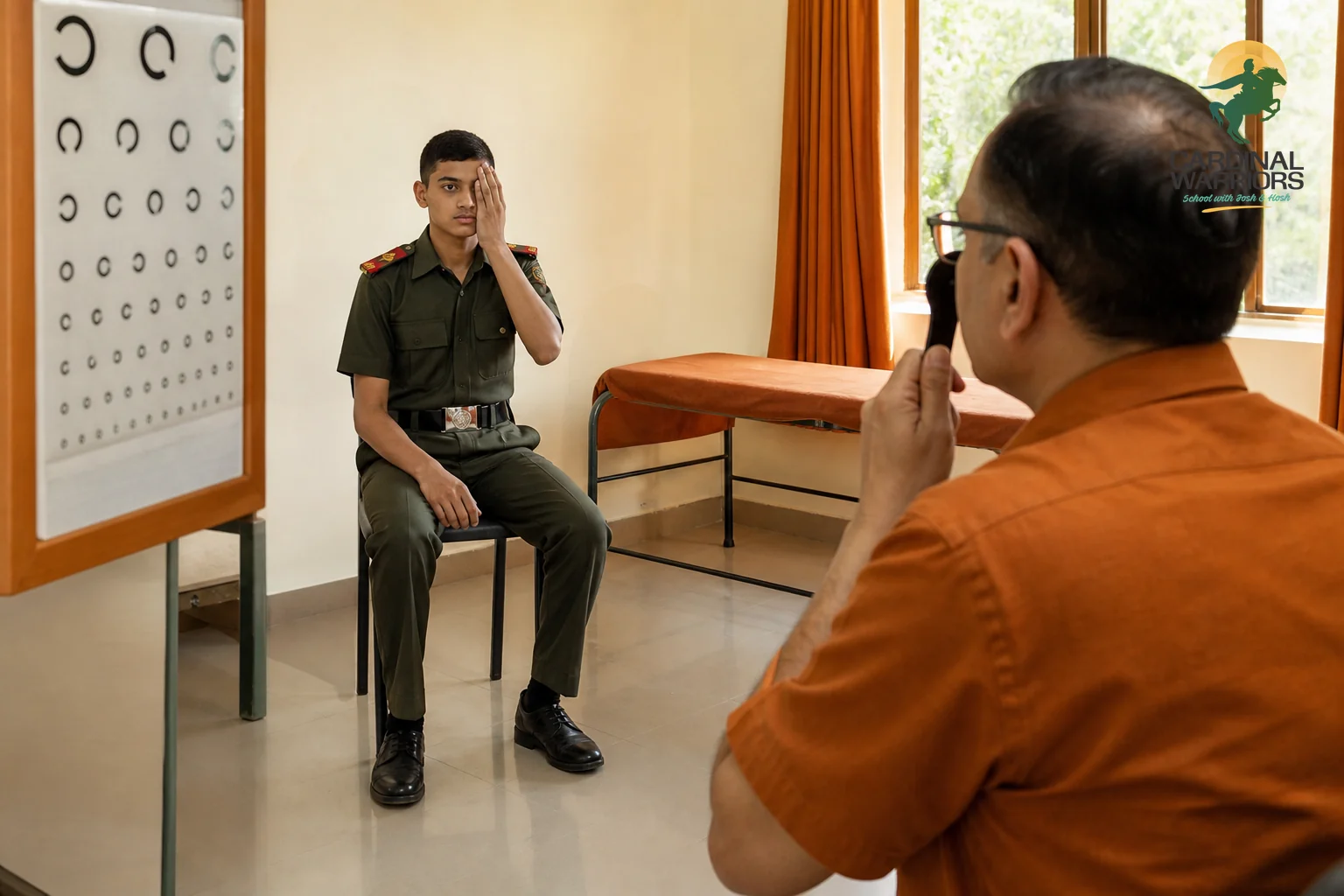
Eyesight causes more NDA medical standards rejection cases than any other single factor. The armed forces set strict limits on uncorrected and corrected visual acuity, and they test for colour vision using standard plates. A boy who has never worn glasses might discover only at the medical board that he has moderate myopia, which puts him outside the permissible range for his chosen service.
Colour blindness is a separate and often devastating discovery. It cannot be corrected with glasses or surgery, and it disqualifies candidates from the Air Force and Navy technical branches outright, with restrictions in the Army too. Squint, even a mild one that a family has lived with for years without treatment, is another common flag. LASIK surgery has strict timing rules; candidates who get it too close to their medical exam date can be deferred.
The fix is simple but often ignored: a basic eye test by Class 8 or 9, repeated annually, catches problems early enough for treatment or realistic career counselling before a child commits years of preparation to a single goal.
2. Height, Weight and Chest Measurement Shortfalls
The minimum height requirement for NDA candidates sits around 157 cm, though the exact figure and relaxations vary by service and sometimes by region. Chest expansion of at least 5 cm between full exhale and full inhale is checked physically, and a candidate who is technically tall enough but has a narrow, undeveloped chest can still fail this specific measurement.
Weight-for-height charts matter more than raw body weight. A candidate who is significantly underweight or overweight for his height and age gets flagged, sometimes even when he considers himself generally fit. This is where daily physical training, not crash preparation in the final weeks, makes the real difference. For the exact numeric thresholds by service and how they interact with age and gender, our detailed breakdown of NDA eligibility, age and physical standards for 2026 is worth reading alongside this piece.
Families in Raipur sometimes assume a child who plays sports casually will clear these standards. Casual sport builds general fitness, but chest expansion and structured endurance respond specifically to sustained daily training, the kind built into a residential military school’s morning PT and drill schedule rather than weekend cricket.
3. Dental and ENT Issues Candidates Overlook
Dental standards are stricter than most parents expect. Multiple untreated cavities, gum disease, or missing teeth without a properly fitted denture can result in a candidate being held back for treatment or, in worse cases, rejected outright. This is entirely preventable with routine dental visits, something that gets deprioritised when families focus every rupee and hour on coaching classes.
Ear, nose and throat checks catch hearing threshold failures, chronic wax impaction, and a deviated nasal septum severe enough to affect breathing. None of these are exotic conditions. They are common, everyday issues that go unnoticed because a child never complains and a parent never thinks to ask a doctor to check specifically with the armed forces standard in mind.
A general physician’s yearly checkup rarely tests to military standard. Parents preparing a child for NDA, RIMC or RMS entrance should ask explicitly for a defence-standard medical screening, not just a routine wellness check.
4. Skin Conditions and Old Injury Scars
Tattoos are a growing and avoidable cause of rejection among older teenage candidates. The armed forces permit tattoos only in specific limited areas, typically the inner forearm, and a tattoo anywhere else, regardless of size or meaning, can disqualify a candidate. Parents of teenagers heading toward a defence career should have this conversation early, well before a casual decision at a college fest closes a door permanently.
Chronic skin diseases such as untreated eczema or psoriasis, and scars from old fractures, burns, or surgeries, also draw scrutiny. A scar itself is not automatically disqualifying, but the medical board wants to know it healed fully and does not restrict movement or strength. Candidates with old sports injuries should carry treatment records and, where possible, a fitness certificate from the treating doctor.
5. Underlying Medical Conditions Found Only at SSB Medicals
Some conditions hide in plain sight until a medical board looks for them specifically. A childhood history of asthma, even if the child has had no attacks in years, is documented and can raise questions. Hernia, varicocele, and flat feet are physical conditions that a family may have lived with as minor inconveniences but that carry defined disqualification criteria in the armed forces medical standards.
Hypertension found on the day of the medical, often from simple exam-day nervousness rather than a chronic condition, can also cause a temporary hold requiring re-checks. This is one more reason candidates should walk into a medical board calm and well-rested, not sleep-deprived from last-minute cramming the night before.
The uncomfortable truth is that many of these conditions go undiagnosed for years because Indian families, including many in Raipur and across Chhattisgarh, do not prioritise annual full-body checkups for otherwise healthy-looking children. A structured school routine with daily physical activity tends to surface these issues earlier, when they can still be treated or managed before the medical board stage.
6. Paperwork and Appeal Errors That Cause Avoidable Rejection
Not every rejection is medical in the true sense. Some candidates get held up because they arrive without complete medical history documents, prior treatment records, or vaccination proof. Boards move fast, and a missing paper can turn into a deferred or failed status that a complete file would have avoided.
Candidates who are rejected at the initial medical board are not automatically out. They can apply to an Appeal Medical Board (AMB) within the specified timeframe, usually a short window after the initial rejection is communicated. A meaningful share of appeals succeed, particularly for borderline vision or weight cases where the candidate has had time to correct the issue, such as losing or gaining a few kilograms or getting a stronger prescription fitted.
- Keep a physical file of every medical report, prescription, and treatment record from childhood onward.
- Note the appeal window date the moment a rejection letter or slip is issued; delays forfeit the right to appeal.
- Carry an independent specialist opinion for borderline cases like mild squint or minor scars, since a second report can support the appeal.
For a broader comparison of how NDA fits against other defence entry routes if a medical issue rules out one path, see our guide on NDA vs CDS vs AFCAT, and for girls specifically preparing for these same medical checks, our piece on NDA eligibility for girl candidates covers what changes and what stays the same.
How Cardinal Warriors Prepares Nimora Cadets Before They Ever Reach a Medical Board
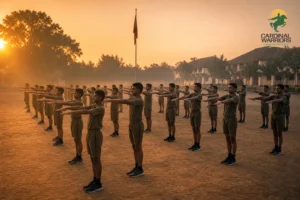
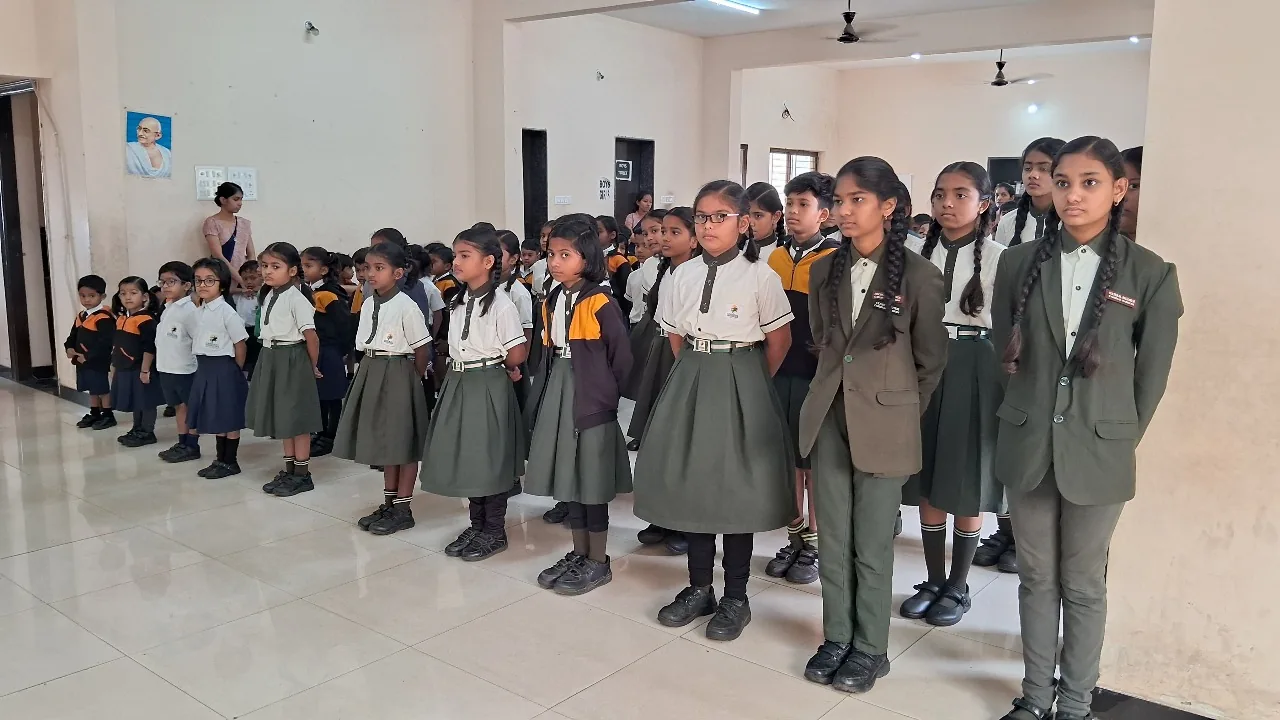
Cardinal Warriors was built around the idea that defence preparation cannot start the year a child fills out an NDA form. On the 5-acre Nimora campus, daily 30-minute morning PT and yoga, mandatory drills, and full sports facilities are not add-ons to the CBSE curriculum, they run alongside it every single day under the school’s structured military-plus-academics model that blends discipline, tactical training, academics and sports.
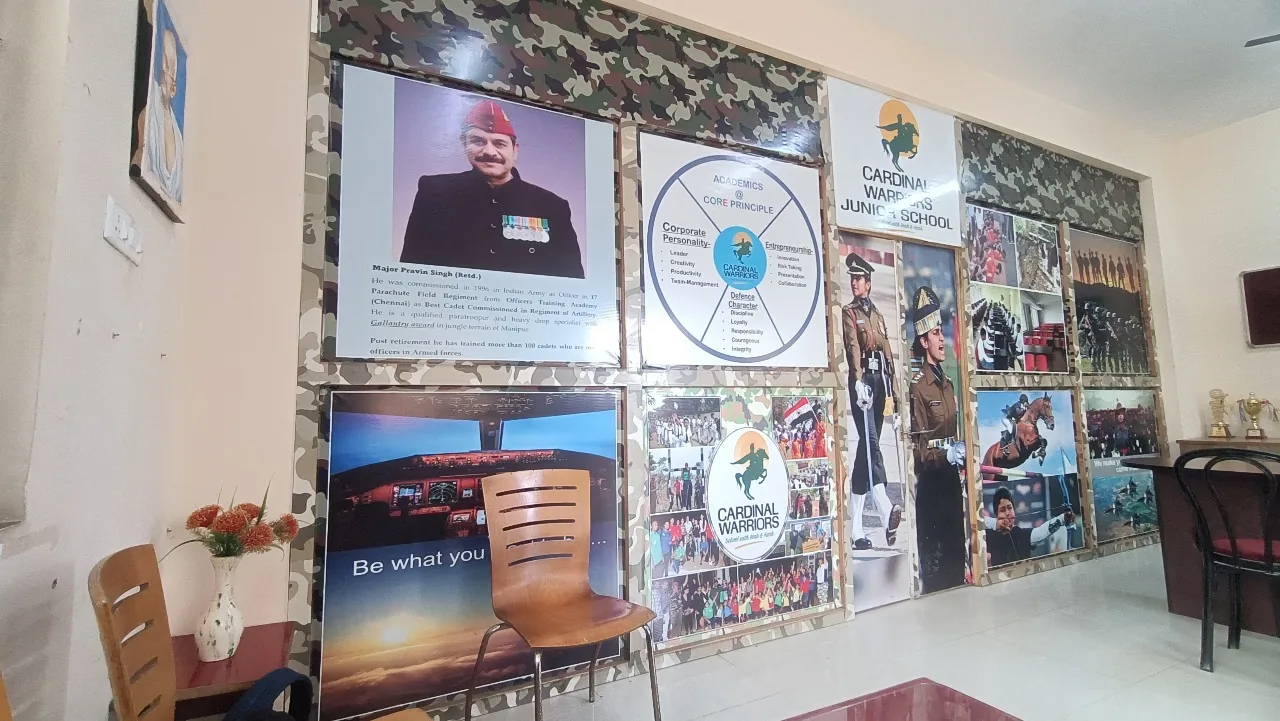
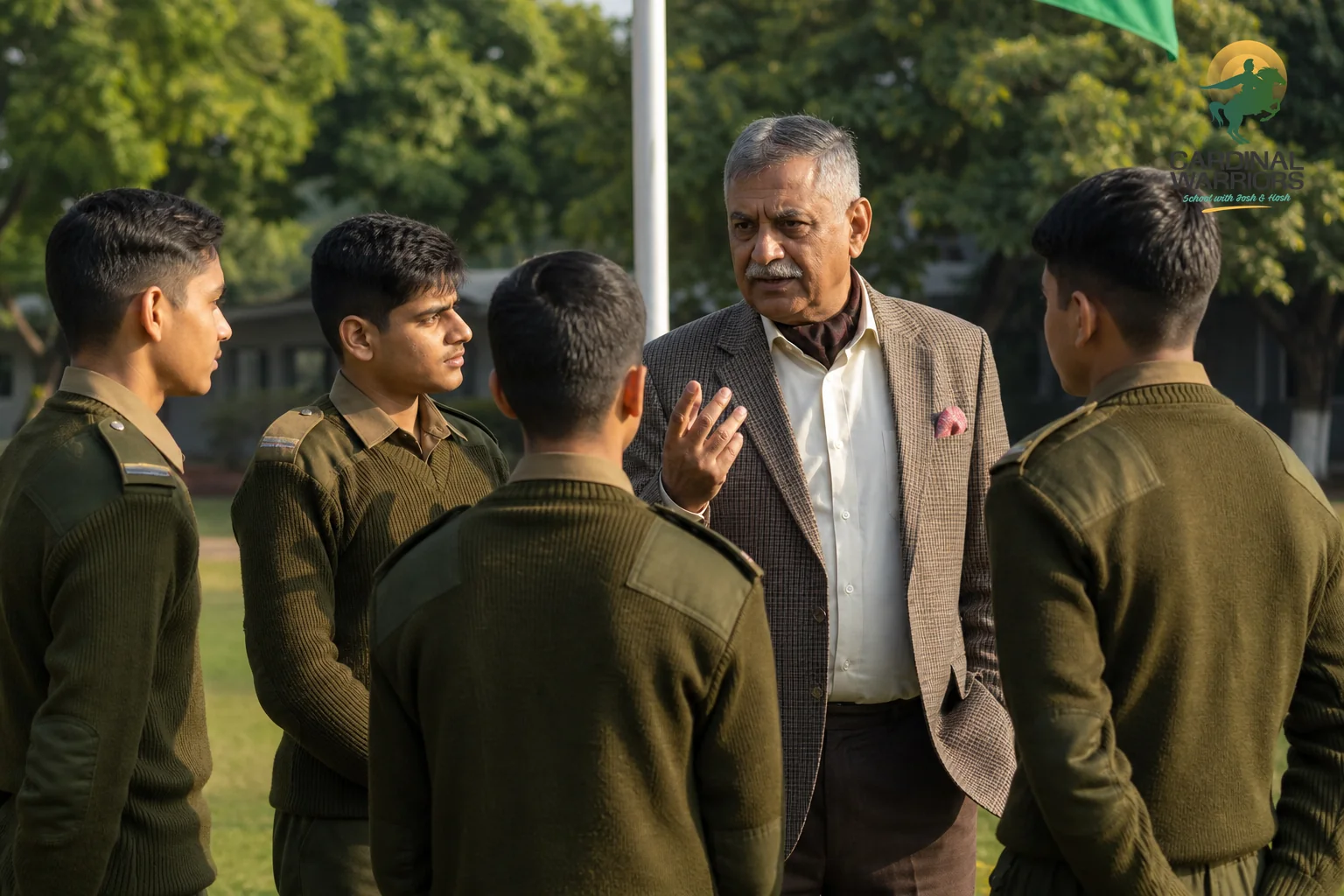
Because instructors include retired military personnel who have sat on the other side of a medical board, cadets get corrected early on posture, weight trends, and fitness gaps that a regular school would never flag. Psychometric testing and personalised career counselling also help identify, well ahead of any exam, whether a child’s body and temperament are tracking toward armed forces standards or whether a different competitive path, such as NEET or engineering entrance, might suit better.
This timing matters right now. With the NDA 2 2026 written exam scheduled for 13 September 2026 and the AISSEE 2027 notification expected between September and October 2026, Chhattisgarh families weighing a switch to a structured, defence-oriented school have a narrow but real window to enrol before the next academic and admission cycle locks in. Parents can review our detailed six-week countdown to NDA 2 2026 for what the coming weeks should look like for a child already in the exam pipeline.
Families comparing costs across boarding options in the state can also read our breakdown of military school fees in India and our guide to RIMC and RMS prep schools in Chhattisgarh to see how medical readiness fits into the wider preparation picture, not just the written exam.
Frequently Asked Questions
Can a candidate reapply after NDA medical rejection?
Yes, in most cases. A candidate rejected at the initial medical board can request review through the Appeal Medical Board within the given timeframe, and if that also does not succeed, correctable conditions like weight or minor vision issues can often be addressed before the next NDA attempt.
Does one weak eye automatically disqualify a candidate?
Not always. Standards allow a defined range of correctable vision in each eye, so a mild refractive error corrected with glasses within permitted limits may still be accepted. Colour blindness and vision beyond the permitted correctable range are the harder disqualifiers.
How early should a family get a defence-standard medical check done?
Ideally by Class 8 or 9, well before serious NDA or Sainik School preparation begins, so any correctable issue has years to be treated rather than being discovered days before a medical board.
Does a childhood asthma history always cause rejection?
It depends on severity, recency, and documentation. A single mild episode years ago with no ongoing treatment is treated differently from an active or recent asthma diagnosis, so complete medical records matter enormously here.
For more on how disciplined daily routines and structured screening set cadets up for exam and medical success, our post on whether a structured routine sharpens focus and health awareness, covered in Does Military School Improve Discipline & Focus?, is a useful companion read.
If a medical setback or an unclear preparation path is what’s holding your family back from committing to a defence career track, the fastest way forward is a direct conversation, not another late-night search. Read more about how Cardinal Warriors builds medical and physical readiness into daily school life, or explore more with us before the AISSEE 2027 window opens. You can also contact us directly to schedule a campus visit in Nimora and get your child’s readiness assessed ahead of the NDA 2026 cycle. Follow updates and campus stories on Facebook, Instagram, and Twitter/X.

You may also like
What Changes When a School Is Run by an Army Veteran
Homesickness in Boarding School: An Honest Look at Month One