

Screen Addiction in Teenagers: What a Structured Boarding Routine Changes
A structured boarding routine breaks screen addiction in teenagers by replacing idle, unsupervised hours with fixed physical training, tactical drills, academics and sleep timings, leaving no gap for compulsive phone use to fill. At Cardinal Warriors in Nimora, Raipur, that structure runs from 5:30 AM wake-up to lights out, with no personal device access during the day.
Key Takeaways
- The trigger, not the device, is the target: unsupervised idle hours after school are what create the habit; removing those hours matters more than confiscating a phone.
- Structure works because it is constant: a boarding day at Cardinal Warriors runs on fixed blocks for PT, academics, tactical training and sport, with almost no unplanned time.
- Timing matters for defence aspirants: with the NDA 2 written exam set for 13 September 2026 and AISSEE 2027 notifications expected between September and October 2026, sustained attention span is now a competitive requirement, not a nice-to-have.
- Day school and home tuition rarely match this: supervision gaps after 3 PM are where most teenage screen habits form, and neither format closes that gap fully.
- Reinforcement at home still matters: holiday and weekend habits at home can undo campus gains if parents don’t carry the structure forward.
At a Glance: Screen Time Before and After Boarding
| Factor | Typical Day School / Home Routine | Cardinal Warriors Boarding Routine |
|---|---|---|
| Unsupervised hours per day | 3-5 hours (post-school, evenings) | Near zero during term |
| Personal device access | Largely unrestricted at home | Restricted; supervised, scheduled access only |
| Physical activity | Variable, often skipped | Daily 30-minute morning PT/Yoga plus sports and tactical training |
| Structured study block | Depends on parent enforcement | Fixed prep periods with staff supervision |
| Sleep schedule | Often disrupted by late-night screen use | Fixed lights-out, no devices in dormitories |
| Exam-readiness focus | Self-directed, inconsistent | Integrated NDA, AISSEE, RIMC coaching within the day’s schedule |
Why Screen Addiction in Teenagers Is a Bigger Problem in Raipur Homes Than Parents Admit
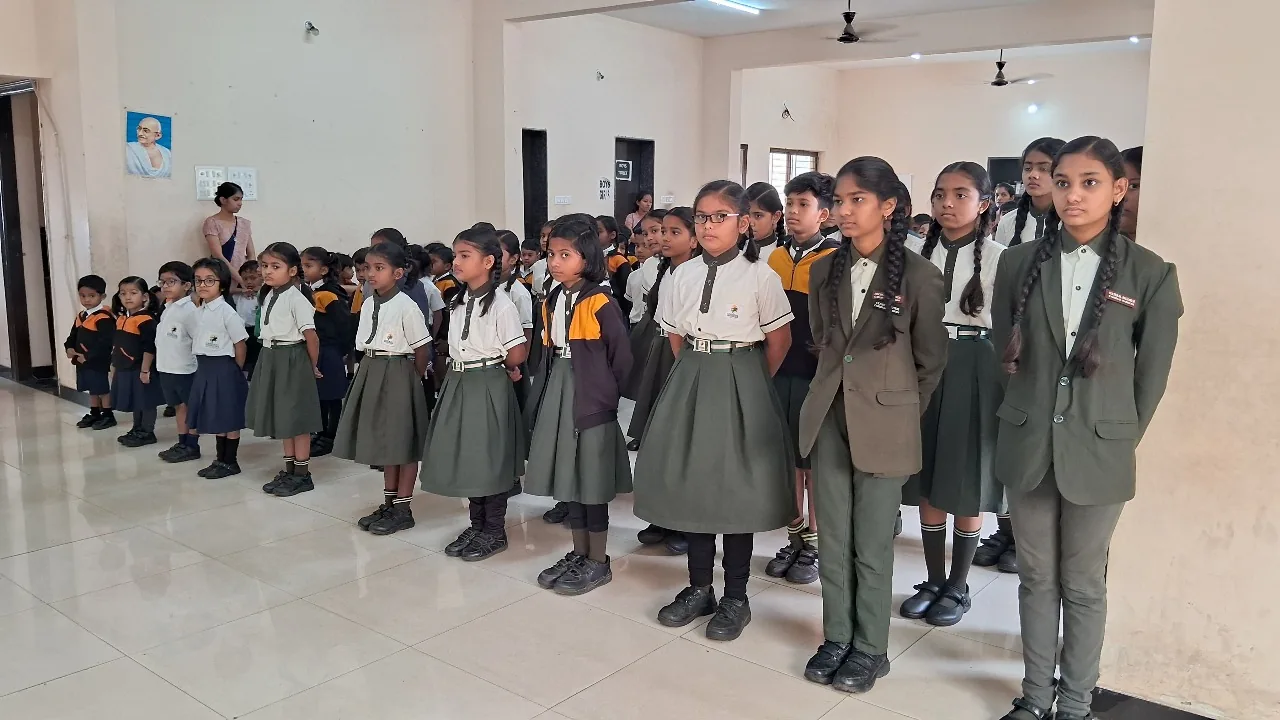
Most Raipur parents describe the same evening: a teenager comes home from school, eats, and disappears into a phone or gaming console until dinner, sometimes past midnight. Both parents working means no one is home between 3 PM and 7 PM to notice how long that stretch actually runs.
The device isn’t the whole story. It’s the empty hour after school with nothing planned that a phone fills instantly. A teenager preparing for NDA, AISSEE or board exams needs three or four hours of focused study in that same window, and screens are winning that competition in most Chhattisgarh households right now.
Cardinal Warriors sits on Dhamtari Road in Nimora, Raipur, and most enquiries the school gets from local families start with a version of this same complaint: grades slipping, sleep late, attention span shrinking. Parents aren’t asking for punishment. They’re asking for a schedule that removes the choice entirely.
What Actually Happens to a Teenager’s Focus on Unlimited Screens
Continuous exposure to short-form video and gaming apps trains the brain to expect constant novelty, which makes a 45-minute textbook chapter feel unbearably slow by comparison. That mismatch is what teachers describe as “can’t sit still to study” long before it shows up as low marks.
- Attention fragmentation: switching between apps every few minutes rewires tolerance for sustained tasks like exam papers.
- Sleep disruption: blue light and late-night scrolling delay the body’s sleep cycle, cutting into the 7-9 hours a teenager’s brain needs to consolidate learning.
- Reduced physical activity: hours on a screen replace hours that used to go to outdoor play, weakening both fitness and mood regulation.
- Academic decline: falling test scores, missed homework, and irritability when devices are removed are the three signs most parents report first.
How a Structured Boarding Routine Removes the Trigger, Not Just the Device
A boarding school can enforce what a home cannot: a fixed schedule that never has an empty slot for a phone to occupy. Cardinal Warriors builds its day around the METTALS approach, covering Military Education, Tactical Training, Academic Learning and Sports, so a cadet moves from one supervised block to the next without a gap wide enough for scrolling to take root.
The morning starts with a mandatory 30-minute PT and Yoga session before academics even begin. That single habit does two things: it burns the restless energy that often drives compulsive phone checking, and it sets a tone of physical discipline for the rest of the day.
What a Day Without Constant Screens Looks Like at Cardinal Warriors
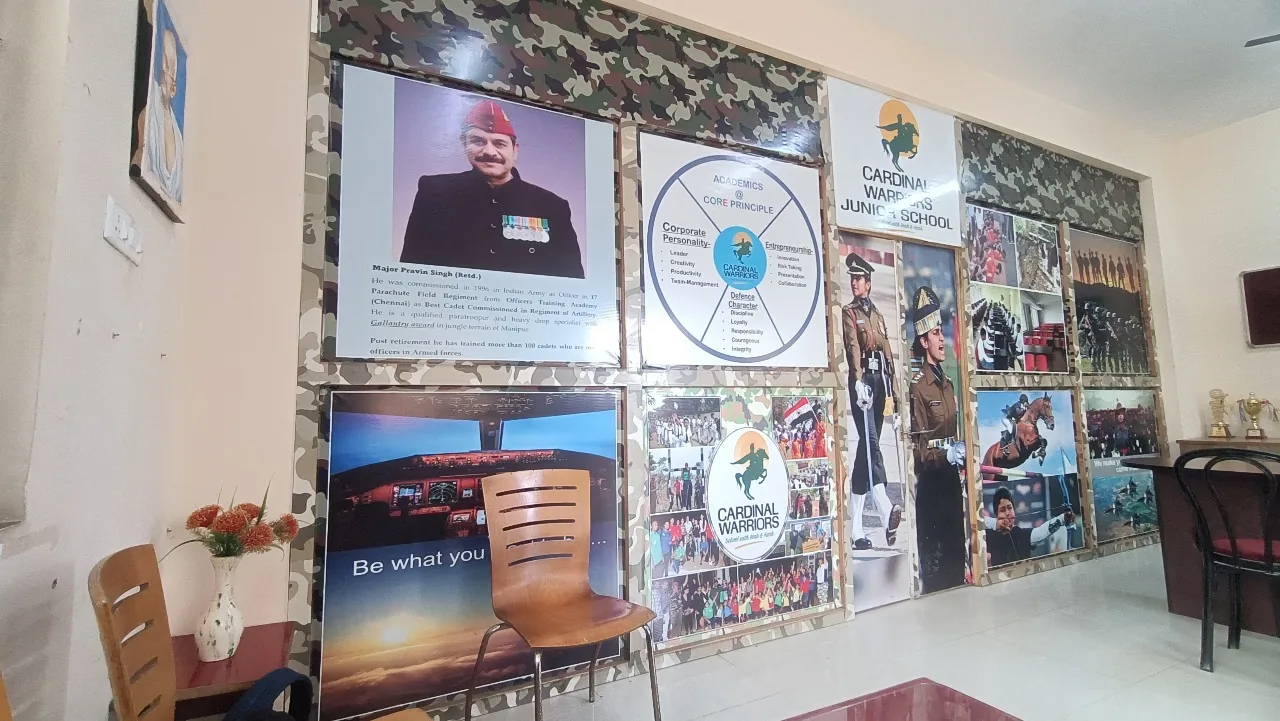
A typical cadet day runs on fixed blocks: pre-dawn wake-up, PT and yoga, breakfast, CBSE classroom periods, tactical or military training, lunch, supervised prep time, sports (football, hockey, boxing, horse riding or others), evening study, dinner, and lights out. Devices are not part of any block.
Free time exists, but it’s structured, supervised, and shared, whether that’s library reading from the school’s 3,000-plus book collection or sport on the 5-acre campus. There’s no evening stretch where a teenager is alone with a device and no one watching the clock.
Does a Military Boarding Routine Really Fix Screen Addiction, or Just Pause It?
A structured boarding routine builds replacement habits, so the fix outlasts the term rather than pausing during it. Daily PT, tactical drills and team sport give the brain the stimulation and reward it used to get from a screen, and those habits tend to carry over once a cadet goes home for holidays.
The one condition parents need to accept: reinforcement doesn’t stop at the school gate. If a teenager returns to an unstructured home for two weeks of vacation with no PT, no fixed sleep time and open device access, some of the gain erodes. Schools that build habits well don’t erase the need for a parent to keep a version of that structure alive at home.
Boarding School vs Day School vs Home Tuition: Which Curbs Screen Time Best
Parents in Raipur often ask whether a strict day school with tuition afterward could achieve the same result without full-time boarding. The honest comparison depends on how many hours actually stay supervised.
| Format | Supervised Hours/Day | Device Access Control | Structured Physical Activity | Best Fit |
|---|---|---|---|---|
| Boarding school (military-structured) | 16-18 hours | Restricted, scheduled only | Daily, mandatory | Teenagers with established habit patterns needing a full reset |
| Day school + home tuition | 8-10 hours (school + tuition) | Parent-dependent, inconsistent | Depends on family effort | Families with a stay-at-home parent able to enforce evening rules |
| Home schooling / self-study | 2-4 hours structured | Minimal, self-regulated | Rare unless parent-driven | Rarely effective for correcting an existing screen habit |
Where Screen Discipline Fits Into a Defence-Aspirant’s Preparation Timeline
Sustained focus isn’t optional for a family targeting the armed forces route; it’s tested directly, both on paper and in the interview room. With the NDA 2 written exam scheduled for 13 September 2026, candidates need weeks of uninterrupted concentration on mathematics and general ability sections, something a fragmented attention span makes far harder to sustain.
The AISSEE 2027 notification is expected in the September-October 2026 window, which means Class 6 and Class 9 aspirants preparing for Sainik School entry are already deep into syllabus revision now. A teenager who can’t sit through a 40-minute mock paper without checking a phone is at a real disadvantage against peers who can.
SSB assessors are trained to notice self-regulation under pressure. A candidate who has spent two years building focus through drills and fixed routines, rather than depending on external stimulation, tends to show that composure naturally during Group Testing and interview stages. Families preparing for this stage often start with our SSB interview coaching guidance for parents to understand what the board is actually evaluating.
For families still mapping out the exam calendar itself, our detailed six-week countdown to NDA 2 2026 lays out what a disciplined final stretch should look like.
What to Look For When Choosing a Boarding School to Fix Screen Addiction
Not every boarding school runs a tight enough schedule to actually change screen habits. Some simply relocate the problem into a hostel with weaker supervision than home. A few checkpoints separate a school that will fix the habit from one that won’t.

- Written device policy: ask exactly when, if ever, cadets get phone access, and who supervises it.
- Hour-by-hour daily schedule: a school that can hand you a printed timetable, not a vague description, is one that actually runs on structure.
- Staff-to-student supervision ratio in hostels: low ratios mean gaps where old habits can quietly return.
- Mandatory physical activity: daily PT, sport and tactical training aren’t extras; they’re what replaces the dopamine loop a screen used to provide.
- Academic integration: the coaching, whether for CBSE boards, NDA, AISSEE or NEET/JEE, should sit inside the same schedule, not compete with it after hours.
Our guide on red flags to avoid when choosing a military school covers the warning signs worth checking before you commit to any campus, not just ours.
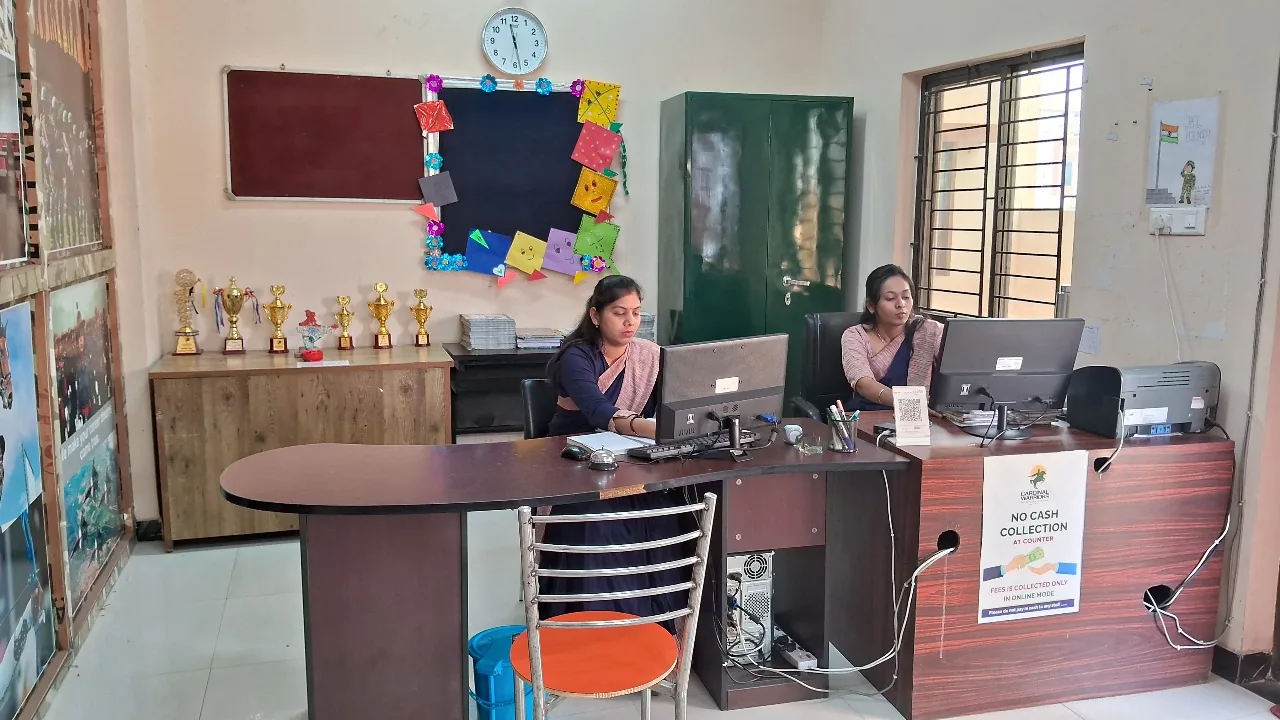
Families near Raipur who want to see this schedule in practice rather than read about it are welcome to walk the campus themselves; our piece on booking a campus visit in Raipur lists the exact questions worth asking on that walk-through.
Frequently Asked Questions
Is boarding school too extreme a fix for screen addiction?
No, not when the goal is a full daily reset rather than a partial restriction. A teenager with years of unsupervised screen access usually needs a completely different environment, not another rule added to an existing routine, for the habit to actually change.
Will my teenager be allowed any phone access at all?
Yes, but on a scheduled and supervised basis rather than open access. At Cardinal Warriors, calls home happen at fixed times, which keeps family contact intact without reopening the door to constant scrolling.
How long before habits change?
Most parents report a visible shift in sleep timing, appetite for physical activity and study focus within the first term. Full habit change, the kind that survives a holiday at home, typically takes a full academic year of consistent structure.
Can day scholars in Raipur get the same benefit?
Partially, if a parent is home to enforce a similar schedule after school hours. Where that supervision isn’t consistently possible, the gap between school hours and bedtime remains the main opening for the habit to return.
What This Means for Your Next Step
A phone can be taken away for a week. A habit built over years needs a different environment to actually break, one where physical training, academics and rest all run on a schedule a teenager doesn’t control and doesn’t need to negotiate. That’s the difference a boarding structure makes over a house rule.
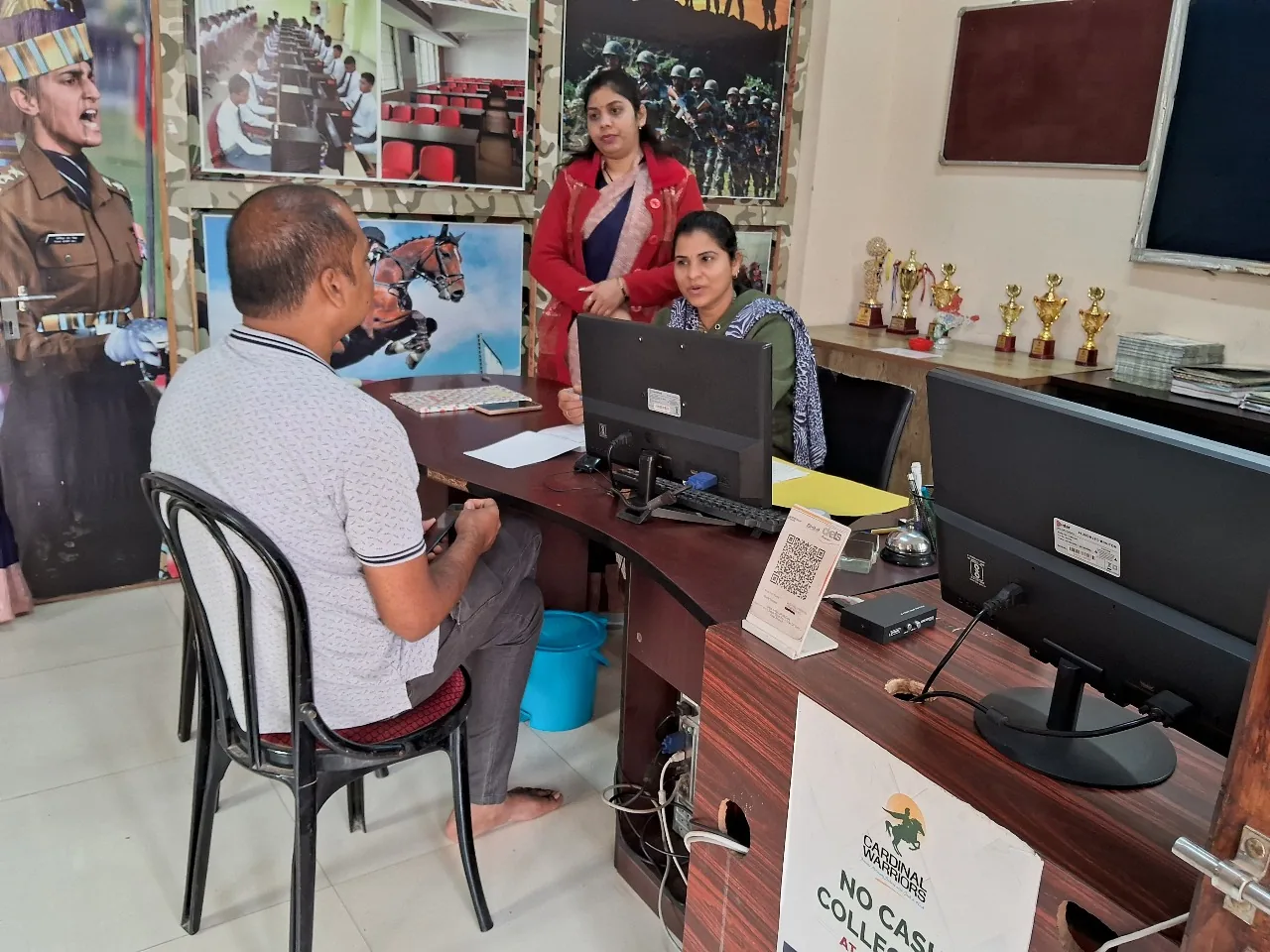
If your teenager’s screen habits are already affecting sleep, grades or exam preparation, the fix starts with seeing the daily schedule firsthand, not reading about it. Read more about how Cardinal Warriors structures a cadet’s day, or explore more with us before deciding on a school for the coming term. You can also contact us directly to discuss admission timelines for Nimora, Raipur.

You may also like

What Changes When a School Is Run by an Army Veteran

Homesickness in Boarding School: An Honest Look at Month One