

NEET Foundation From Class 6: Is It Too Early?
A NEET foundation class 6 program works when it stays light: a few structured hours a week building concept clarity in Science and Maths, not a daily grind that mimics NEET-level coaching three years too soon. For Raipur and Nimora parents weighing this decision, the real question is not “early or late” but “how many hours, and inside what routine.”
Key Takeaways
- Foundation is not NEET syllabus: Class 6 foundation builds Science reasoning and Maths speed; it does not touch NCERT Biology, Physics or Chemistry chapters tested in NEET itself.
- Hours matter more than the start age: A capped 3-4 hours a week at class 6 is manageable; a daily two-hour coaching slot at this age risks burnout and drop-off by class 9.
- Boarding removes a supervision gap: Working parents in Raipur who cannot monitor screen time or study hours get a fixed timetable instead, on a residential campus in Nimora.
- Keep the exam door open both ways: A school offering NEET, NDA and AISSEE coaching side by side lets a class 6 child explore interests before committing to one exam track for six years.
NEET Foundation Class 6: Quick Facts
| Aspect | What It Looks Like at Class 6 |
|---|---|
| Typical age | 10-11 years |
| Subjects covered | Foundational Science and Maths concepts, not NEET Biology/Chemistry/Physics syllabus |
| Recommended weekly hours | 3-4 hours, alongside regular CBSE classwork |
| Format at a residential school | Integrated into the school day, supervised by faculty, not a separate coaching commute |
| Related exam timelines nearby | NDA 2 2026 written exam on 13 September 2026; AISSEE 2027 notification expected September-October 2026 |
| Location covered in this article | Raipur and Nimora, Mana, Dhamtari Road, Chhattisgarh |
| Alternative tracks on the same campus | NDA, AISSEE, RIMC, RMS, CA Foundation, IIT/JEE |
What Does NEET Foundation Class 6 Actually Mean?
Foundation coaching at class 6 means building the mental habits a future NEET aspirant needs, not the NEET syllabus itself. It is scientific temperament, calculation speed, and the discipline to sit still and work through a problem.
Confusion happens because coaching brands use the word “foundation” loosely. Some sell a scaled-down NEET syllabus to ten-year-olds. Others, more sensibly, teach Class 6 Science and Maths with extra rigor and problem-solving practice, saving actual Biology, Physics and Chemistry topics for class 9 onward.
The second version is the one worth choosing. A class 6 child does not need mitochondria and molarity. They need to enjoy asking why a leaf is green, and they need enough number sense that algebra in class 8 doesn’t feel like a foreign language.
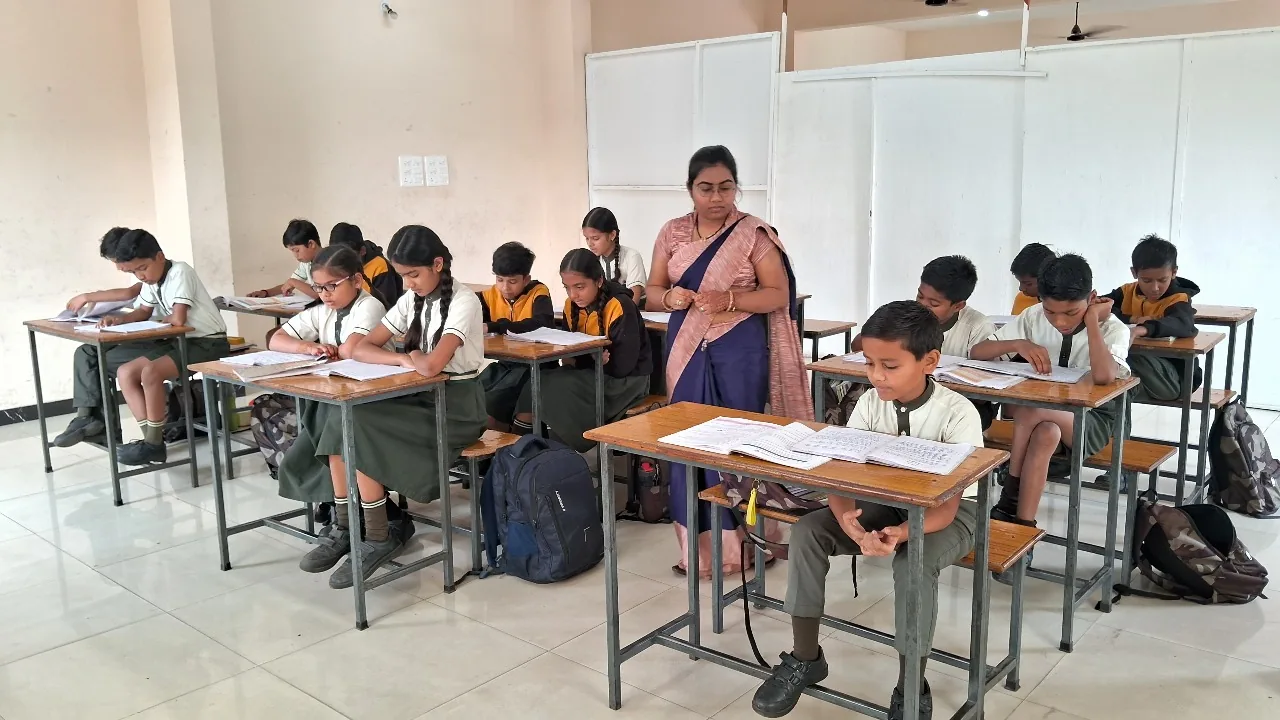
At Cardinal Warriors in Nimora, this distinction shapes how the school frames NEET-linked classes for younger cadets: extra Science and Maths hours inside the CBSE timetable, run by qualified subject teachers, kept separate from the intensive coaching that starts once a student reaches class 9 or 10.
Is Class 6 Too Early to Start?
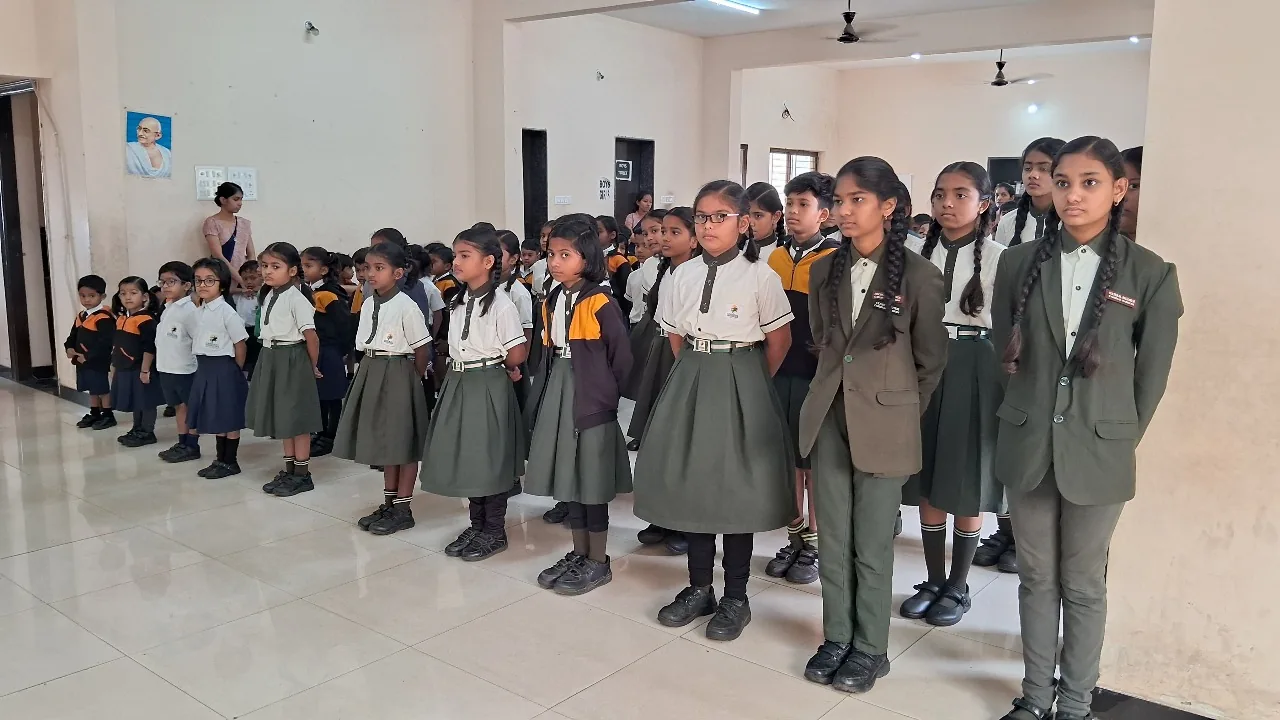
No, class 6 is not too early, provided weekly hours stay light and foundation classes sit inside the school day rather than replacing sport or free time. It becomes too early only when a child’s schedule mirrors a class 11 NEET dropper batch three years ahead of the actual exam.
Compare two versions of the same decision. In one, a class 6 student gets two extra Science periods a week and joins a Maths olympiad club. In the other, a family enrols their ten-year-old in a five-day-a-week coaching batch that runs until 7 pm, on top of a full school day.
The first builds curiosity. The second builds fatigue, and fatigue at age eleven tends to show up as disengagement by class 9, exactly when NEET preparation actually needs to intensify. NCERT’s own Class 6-8 Science curriculum is designed around exploration and inquiry, not exam drilling, and a foundation program that respects that design tends to hold a child’s interest longer.
The Problem: Parents in Raipur Face Two Bad Options
Most Raipur parents planning a NEET future for their child land on one of two paths, and both come with a cost. The first is a regular day school with no coaching until class 9 or 10, which means the first six years pass without any structured Science reinforcement.
The second option is enrolling in a coaching-only setup, sometimes outside the city, at an age when the child still needs a school routine, sports, and someone checking their homework each evening. For a working parent in Raipur or Nimora, that means either commuting the child daily or sending them away from home years earlier than most families are comfortable with.
Neither path solves the real problem: a child who needs consistent supervision, a fixed timetable, and exposure to Science and Maths that goes slightly beyond the textbook, all inside one campus a parent can actually visit and trust.
The Solution: Integrated Foundation Inside a Residential Campus
A residential school that runs NEET foundation classes alongside its regular CBSE curriculum solves the commute problem and the supervision gap in one setup. At Cardinal Warriors, foundation-level Science and Maths sit inside the METTALS framework, alongside military training, sport, and academics on one five-acre campus in Nimora.
Retired defence personnel and experienced educators run the daily schedule, which means a working parent in Raipur is not the one tracking whether homework got done or whether the child spent the evening on a phone instead of a workbook.
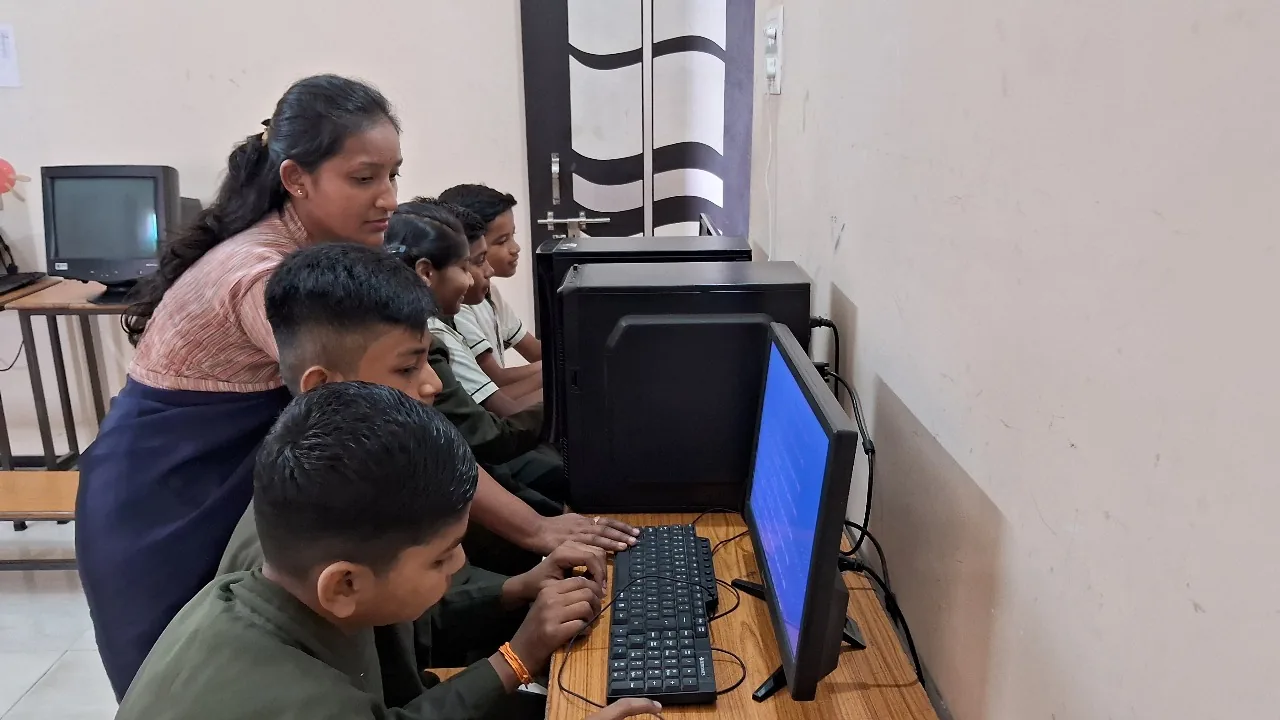
That structure matters as much as the syllabus. A ten-year-old who studies in a fixed 45-minute block, then goes straight to a sports field, retains more than one who studies in fragments between distractions. The leadership development approach used across the campus reinforces the same routine discipline that later supports serious exam preparation, whether that exam turns out to be NEET or something else entirely.
How a Military-Discipline Routine Supports NEET Preparation
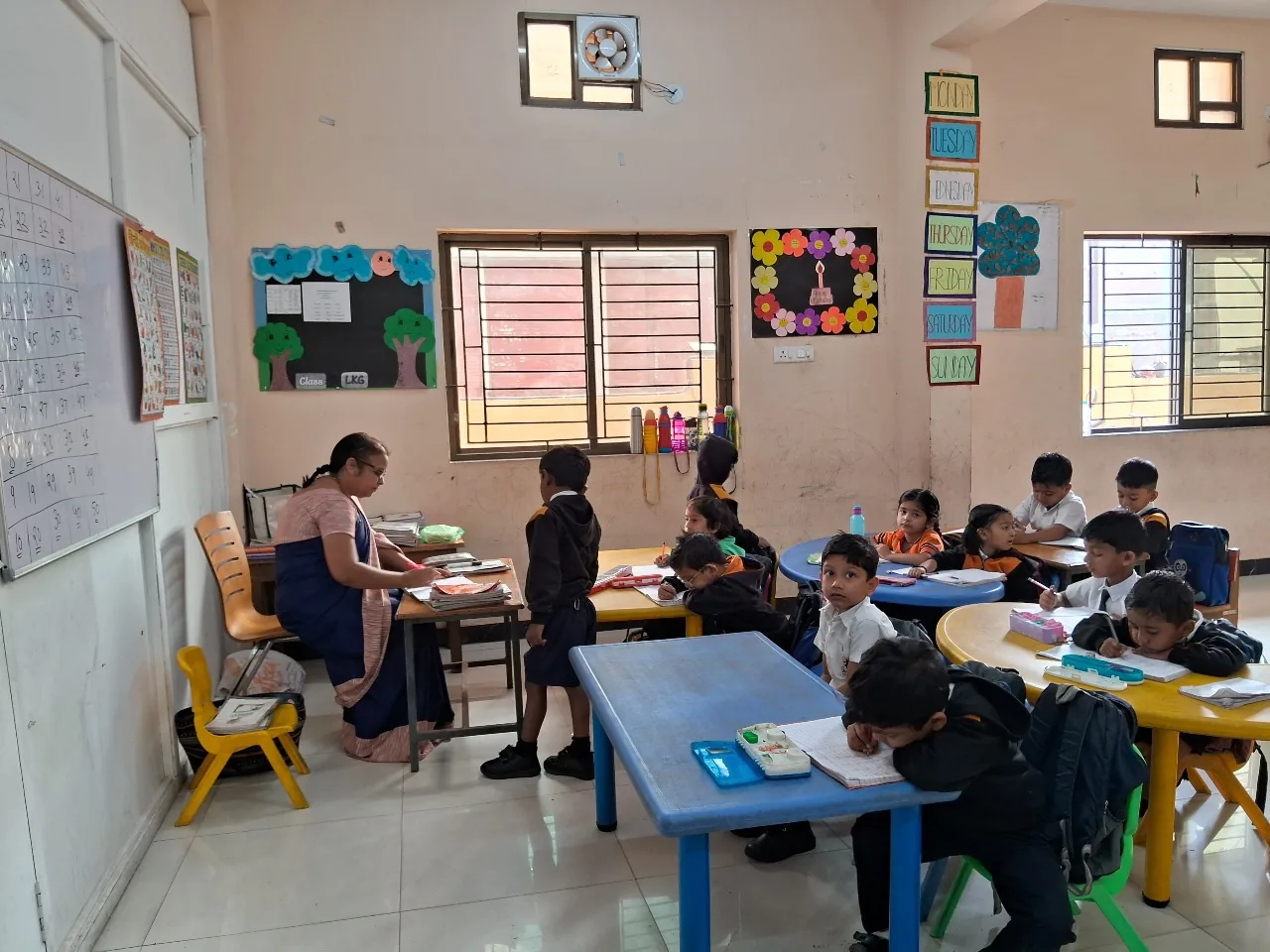
A military-discipline routine supports NEET foundation work by giving a child a fixed timetable early, so daily study becomes a habit rather than a negotiation. Morning PT, structured class blocks, and supervised evening study together build the stamina a NEET aspirant needs years later, without asking a class 6 student to study NEET topics directly.
Cardinal Warriors also runs psychometric testing for cadets, which helps identify whether a child leans toward science and medicine or toward a defence career track before the family locks in years of preparation on one exam. That matters in a school offering both NEET and NDA coaching on the same campus.
A family unsure whether their child will eventually aim for NEET or the National Defence Academy does not need to decide at class 6. Details on the NDA route, including the NDA 2 2026 written exam scheduled for 13 September 2026, sit alongside NEET and JEE preparation inside the same integrated coaching structure, so a switch in interest at class 9 or 10 does not mean switching schools.
Families still exploring the Sainik School route for a younger sibling can also track the AISSEE 2027 notification window, expected between September and October 2026, without that timeline clashing with a NEET-track child’s own schedule on the same campus.
What To Check Before Enrolling Your Child in Class 6 Foundation
Before enrolling a class 6 child in any NEET foundation program, a parent should ask about weekly hour caps, faculty qualifications, and how the program fits around sport and sleep. These four checks separate a well-run foundation program from one that quietly overloads a young child.
- Weekly hour cap for class 6-8: Ask for the exact number. Anything beyond four hours a week at this age deserves a second question about why.
- Faculty background: Confirm whether Science and Maths foundation classes are taught by subject-qualified teachers, not just senior students or generalist tutors.
- Fit with CBSE curriculum: Foundation classes should reinforce the NCERT syllabus, not run a parallel, disconnected one that confuses the child.
- Sport and sleep protection: A program that eats into PT, games period, or sleep hours at age ten or eleven is not built for the long term.
- A physical campus visit: Numbers on a brochure rarely match a classroom. Walking the corridors and watching a live class tells a parent more than any prospectus. The list of questions worth asking during a Raipur campus visit covers exactly this ground.
Parents comparing schools more broadly, including how NEET coaching stacks up against other competitive tracks, can also review this regional look at schools offering NEET and JEE coaching before finalising a decision.
FAQs on NEET Foundation Class 6
Can a class 6 student actually handle NEET-linked coaching?
Yes, if the coaching is limited to Science and Maths concept-building rather than NEET syllabus itself. A ten or eleven-year-old can comfortably manage 3-4 extra hours a week; anything heavier risks fatigue rather than gain.
Does starting foundation coaching at class 6 guarantee NEET success later?
No program can guarantee a NEET result. What class 6 foundation reliably delivers is stronger concept clarity and study habits by the time real NEET preparation begins around class 9 or 10, which reduces the catch-up work needed later.
What if my child later prefers NDA or AISSEE over NEET?
A school that runs NEET, NDA, and AISSEE coaching on one campus lets a child switch interest without switching institutions. Psychometric testing around class 8 or 9 typically helps families see which direction suits the child before committing years to one exam.
Is boarding necessary for a NEET foundation program to work?
Boarding is not strictly necessary, but it solves the supervision gap for working parents who cannot monitor daily study hours themselves. A residential setup with a fixed timetable removes the evening negotiation over homework and screen time that day-scholar families often face.
A class 6 foundation program should feel like extra curiosity, not extra pressure. If a ten-year-old dreads the coaching hour, the format is wrong, not the age.
Raipur and Nimora parents weighing a NEET foundation decision for a class 6 child do not need to choose between a scattered day-school routine and an early, high-pressure coaching batch away from home. A residential campus that pairs CBSE academics with disciplined daily structure, sport, and light foundation classes gives a young Science-inclined child room to grow into the exam years ahead, without losing childhood to a workbook. Read more about how Cardinal Warriors structures its integrated academic and coaching programs, or explore the campus and admissions process further. For direct questions on class 6 enrolment and foundation coaching timelines, contact the admissions team today.

You may also like

What Changes When a School Is Run by an Army Veteran

Homesickness in Boarding School: An Honest Look at Month One