How to Choose the Right Military School for Your Child
A retired subedar in Raipur once told a young mother visiting his school with a simple line: “Madam, don’t judge us by the uniform. Judge us by what happens at five in the morning, when no parent is watching.” That single sentence captures the entire problem parents face today. Dozens of schools across Chhattisgarh now put cadets in olive uniforms and call themselves military institutions, but very few actually build the discipline, character, and career readiness that name implies. Knowing how to choose a military school for your child means looking past the photographs on the website and asking harder questions about training, safety, academics, and outcomes.
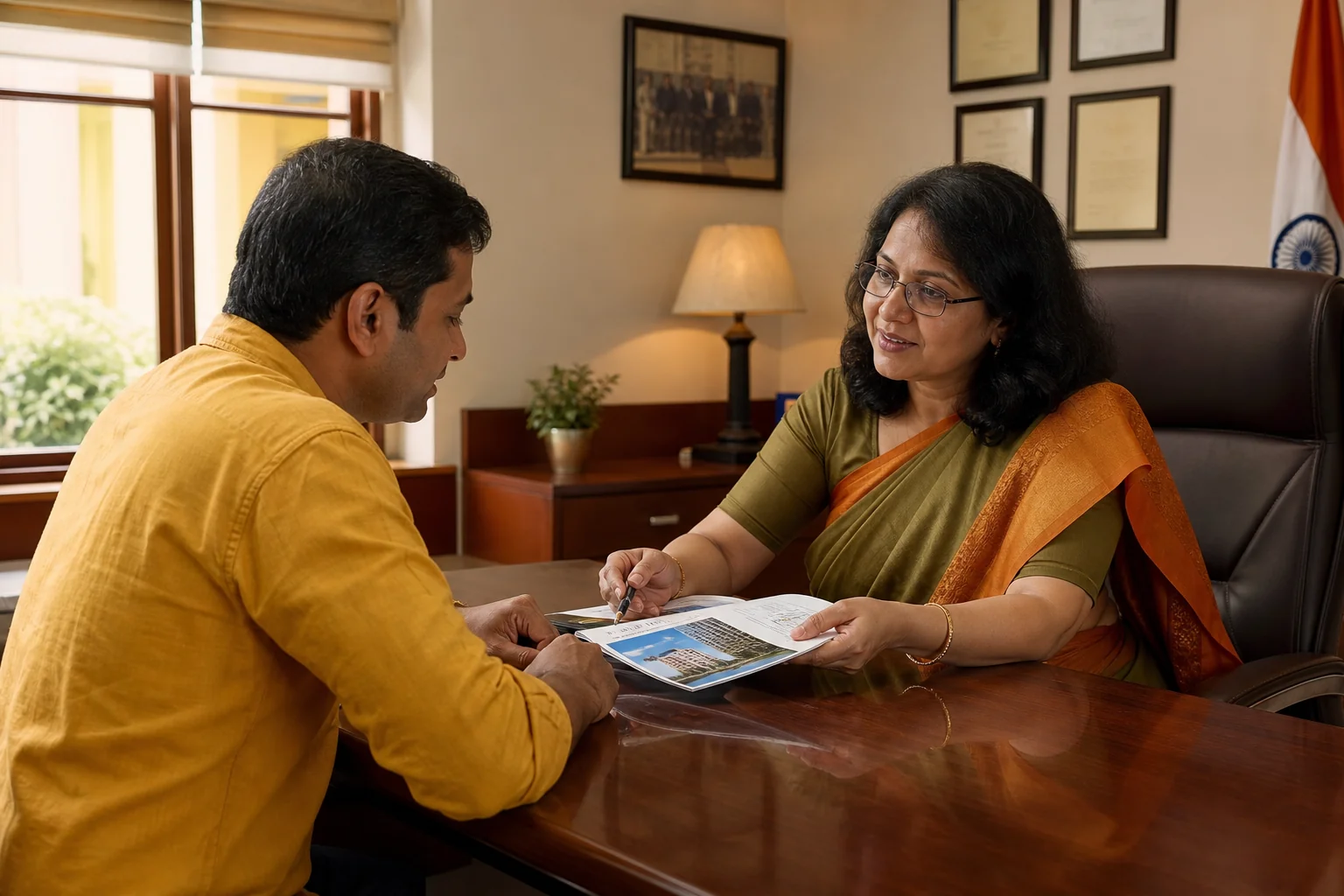
This guide walks you through the exact criteria to check before you sign an admission form, whether you’re comparing schools in Raipur, looking at options across Chhattisgarh, or weighing a boarding school against a day school back home in Bilaspur or Durg. We’ll also flag the warning signs that separate a genuinely holistic military school from one that’s military in name only.
Why the Selection Process Matters More Than the Brochure
Choosing a school is not a one-time event. It’s a decision that shapes your child’s daily habits, self-image, and career direction for the next several years. Parents often decide within a single campus tour, swayed by a marching band or a well-kept lawn. That’s a mistake. The real questions, about instructor credentials, academic rigor, and safety protocols, rarely show up in a prospectus.
Think of this process the way a defence officer plans a mission: gather information systematically, verify claims, and only then commit. The sections below give you a practical framework, built around the factors that actually predict whether a school will deliver on its promise of discipline, character, and competitive exam success.
1. Start With CBSE Affiliation and Academic Track Record
Military training without strong academics leaves a child unprepared for both civilian and defence career paths. Before anything else, confirm the school’s CBSE affiliation status. Every genuine CBSE school has an affiliation number you can verify directly through the Central Board of Secondary Education’s official website. Ask the admissions office for this number in writing and cross-check it yourself rather than accepting a verbal assurance.
Beyond affiliation, dig into the numbers that matter:
- Board exam pass percentage over the last three years, not just the most recent batch
- Average scores in Class 10 and Class 12, and how many students pursue science versus commerce streams
- Teacher-to-student ratio and qualifications of core subject teachers
- How many alumni have cleared NDA, NEET, JEE, or other competitive exams in recent years
A school that blends CBSE-integrated education with military training, rather than treating them as separate tracks, gives your child both the discipline to study consistently and the syllabus coverage needed for board exams and entrance tests. If you want a deeper primer on how this model works in India, our earlier explainer on what military school education actually looks like in India is a useful starting point.
2. Evaluate the Quality of Military Training, Not Just the Uniform
Here’s the uncomfortable truth: a school can issue uniforms, hold a monthly parade, and still have no real military training program behind it. The difference between a genuine military school and a regular school wearing khaki lies in who is actually teaching the discipline and how structured that training is.
Ask these questions directly during your campus visit:
- Are the physical training and drill instructors retired defence personnel with verifiable service records, or are they general PE teachers given a new title?
- Is there a written weekly schedule for drill, physical training, and endurance building, or is it improvised?
- Does the school run structured preparation for NDA, RIMC, RMS, and AISSEE as part of the regular timetable, or only as an occasional workshop?
- Is there a dedicated SSB interview coaching component, including psychological aptitude tests, group discussions, and personal interview practice?
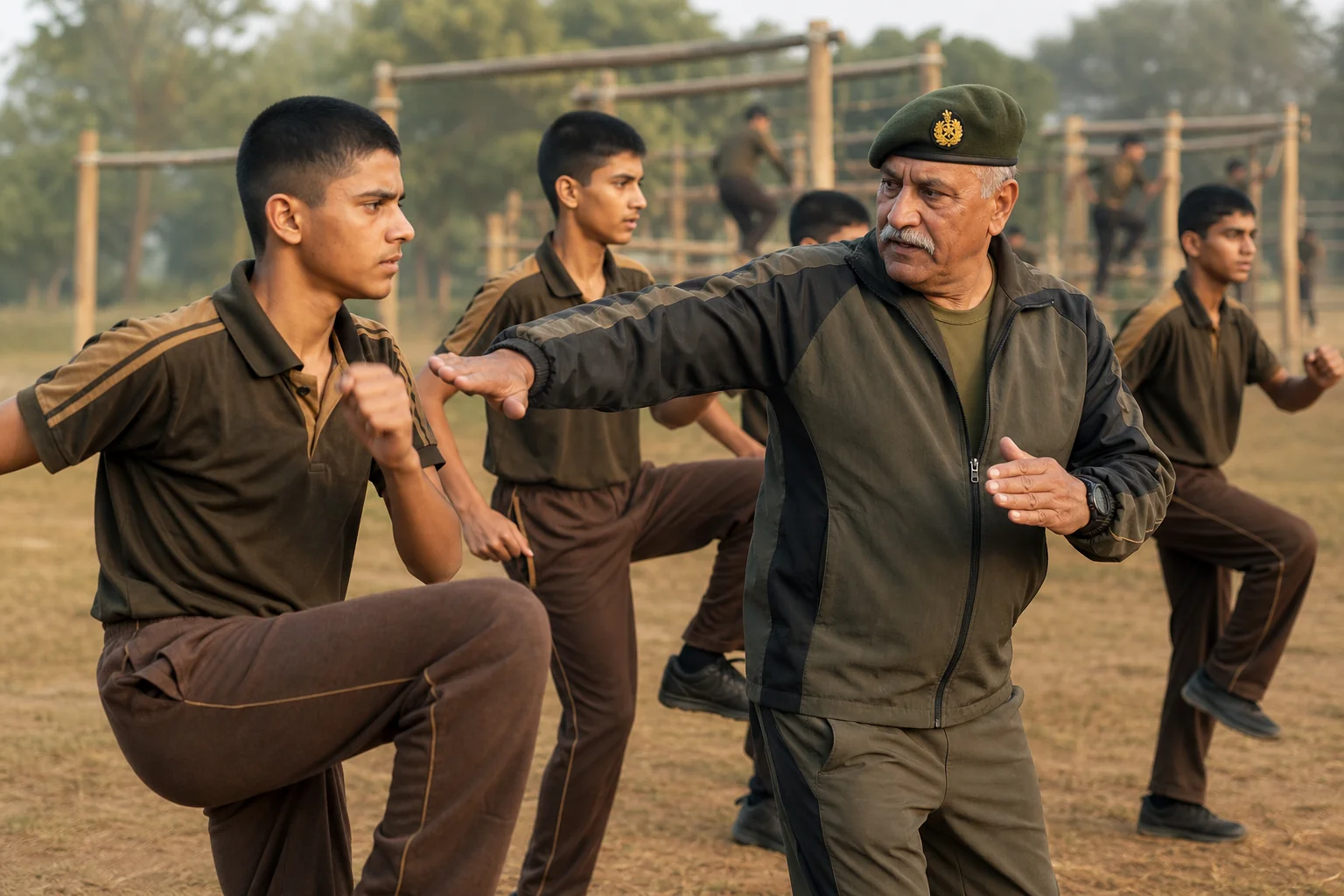
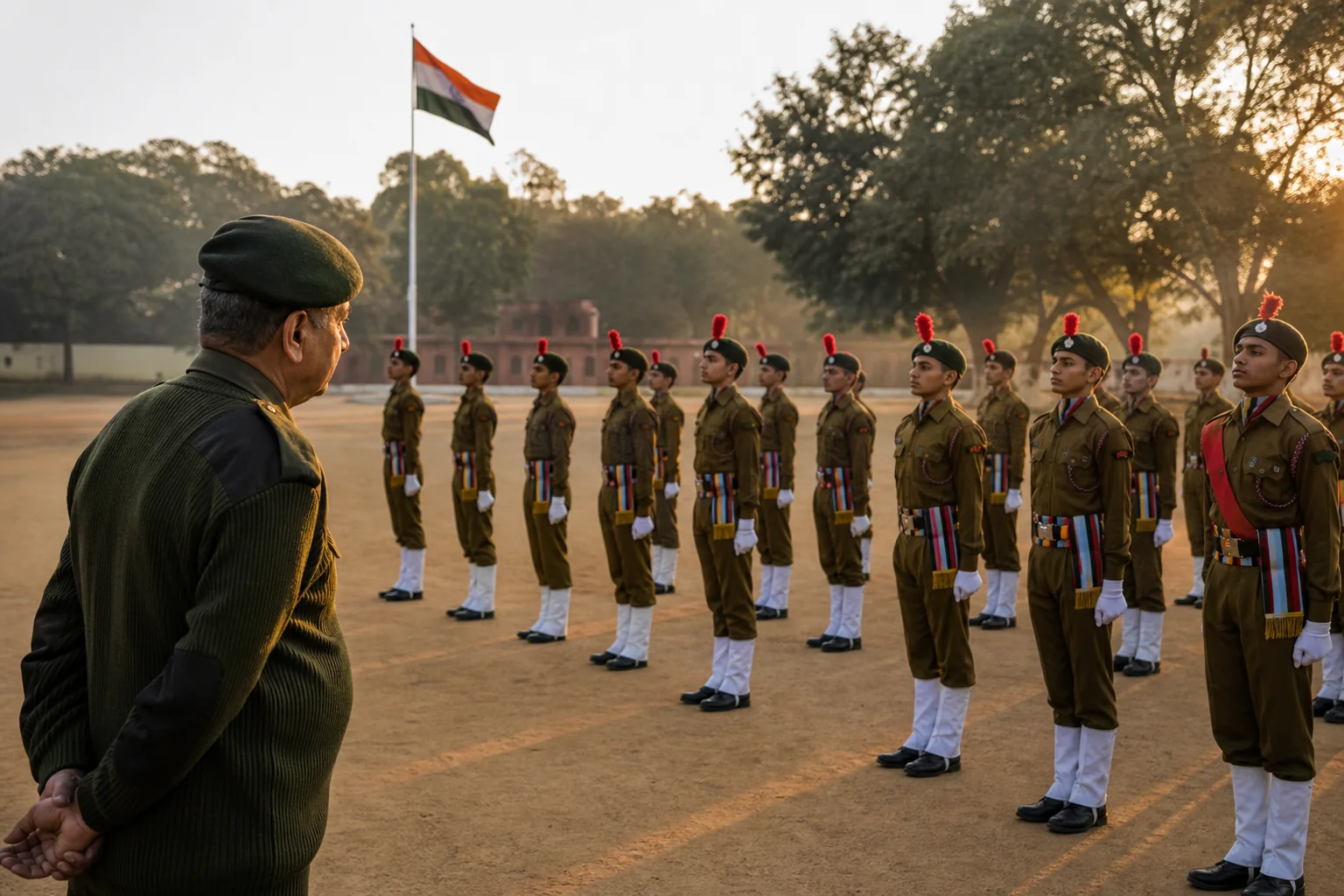
Cardinal Warriors was founded by Major Pravin Singh (Retd.), an Army veteran, precisely because this gap is so common. Training led by officers who have actually served gives students a grounded understanding of discipline, not a performance of it. The school pairs enthusiasm with wisdom and structure rather than raw intensity alone, so students build lasting habits instead of short bursts of motivation.
If you’re weighing whether this kind of training genuinely changes behavior, our post on Sainik School vs military school options in Chhattisgarh breaks down how training structures differ between government-run and private institutions.
3. Inspect Boarding Facilities and Daily Routine
For working parents, boarding is often the practical answer to a real problem: nobody is home to supervise homework, screen time, or bedtime. But boarding only works if the daily routine is genuinely structured, not just a hostel with a curfew.
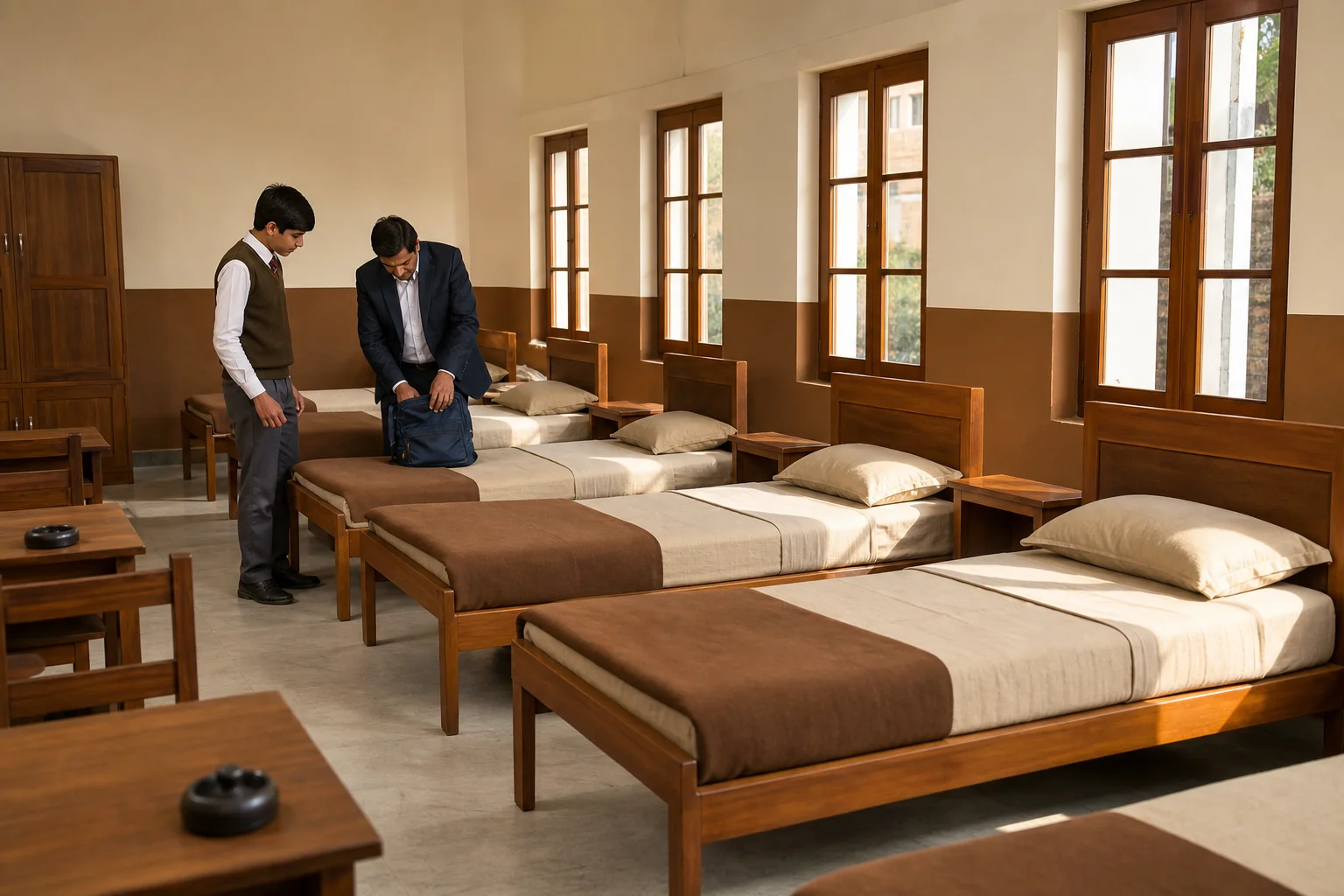
When you visit, ask to walk through the dormitories, mess hall, and study rooms in person, not just see them in photographs. Check for:
- Clean, ventilated dormitories with reasonable student-to-room ratios
- A visible daily timetable covering wake-up, physical training, study hours, meals, and lights-out
- Mess facilities with nutritionally planned meals, not just a generic canteen
- Clear policies on mobile phone use, visiting hours, and parent communication
A fixed daily rhythm is one of the most effective tools against the distraction and mobile addiction that many parents worry about today. When a child’s day is structured from early morning drill to evening prep classes, there’s simply less room for aimless scrolling. If cost is a major factor in your decision, our detailed breakdown of military school fees in India can help you compare boarding costs against what’s actually included.
4. Make Safety and Supervision Non-Negotiable
No academic result or training program matters if your child isn’t safe. This should be the first thing you verify, not an afterthought after you’ve fallen in love with the parade ground.
During your visit, ask specifically about:
- Campus security: perimeter fencing, CCTV coverage, and visitor entry logs
- Warden-to-student ratio in each dormitory block, especially for younger children
- Anti-ragging and grievance redressal mechanisms, and whether they’re documented in writing
- Medical facilities: an on-campus nurse or doctor, tie-ups with nearby hospitals, and emergency response protocols
- Staff background checks, particularly for anyone with direct, unsupervised access to students
A school confident in its safety standards will answer these questions in specific, documented detail. Vague reassurance like “we take care of everything” without specifics is itself a warning sign. For a full framework you can use during any campus tour, see our companion guide on boarding schools with military training in Chhattisgarh, which covers safety benchmarks in more depth.
5. Check Career Preparation and Competitive Exam Coaching
Many parents choose a military school specifically because they want their child on a path toward the armed forces, or at minimum, the discipline that comes from preparing for one. But defence coaching isn’t the only outcome worth checking. A truly holistic school integrates career preparation across multiple streams:
- Defence pathways: NDA, RIMC, RMS, AISSEE, and SSB interview coaching built into the regular academic calendar
- Medical and engineering pathways: structured NEET and JEE coaching for students who choose science but not necessarily a defence career
- Commerce pathways: CA Foundation classes for students inclined toward finance and accountancy
- Career counseling: guidance sessions that help students and parents choose a stream based on aptitude, not just family expectation
The key question to ask any school: is this coaching taught by in-house faculty as part of the curriculum, or outsourced to an external coaching center the student attends separately? Integration matters because it means less commuting, less fatigue, and coaching that’s paced alongside board exam preparation rather than competing with it. Cardinal Warriors structures its NDA, NEET, JEE, and CA Foundation coaching this way, treating career preparation as part of the school day rather than an add-on.
6. Red Flags That Signal a School Is Military in Name Only
After visiting several schools, patterns start to emerge. Here are the warning signs that should make you pause before signing any admission form:
- No certified or retired defence instructors on staff, only civilian PE teachers rebranded for the prospectus
- Weak or undisclosed academic results, especially schools reluctant to share board exam data in writing
- No structured physical training calendar, with drill sessions that appear only during admission season photo shoots
- Vague answers about fees, with hidden charges revealed only after enrollment
- Uniform-first marketing, where the website emphasizes photographs of cadets in formation but says little about instructor credentials or curriculum structure
- No clear SSB or NDA preparation track record, despite claiming to be a defence-focused institution
A school that can’t produce instructor credentials, board results, and a written daily schedule on request is not ready to earn your trust, no matter how sharp the uniforms look in photographs.
If you want a longer, dedicated checklist of these warning signs before your next campus visit, it’s worth reading our detailed piece on red flags to avoid when choosing a military school for a side-by-side comparison framework.
7. Compare Military Schools, Sainik Schools, and Elite Boarding Schools
Parents in Chhattisgarh and neighboring Madhya Pradesh often compare three categories of institutions, and the differences matter more than most brochures let on.
Private Military Schools vs Sainik Schools and RMS
Government-run Sainik Schools and Rashtriya Military Schools follow a fixed national admission process through AISSEE, with limited seats and a rigid curriculum focused primarily on defence entry. Private military schools like Cardinal Warriors offer more flexible admissions timelines and combine military discipline with broader career coaching, including NEET, JEE, and CA Foundation, so a student who later decides against a defence career still has strong academic footing. Our detailed comparison of Sainik School vs military school options in Chhattisgarh walks through admission timelines, fee structures, and outcomes side by side.
Military Schools vs Elite Boarding Schools
Institutions like The Doon School or Welham Boys’ School are excellent at building leadership through a British-style boarding tradition, but they don’t specifically train for defence entrance exams or SSB interviews. If your priority is character building alongside a clear pathway to NDA or RIMC, a school with dedicated military faculty will get you there faster than a general boarding school, often at a more accessible fee point. If discipline specifically, rather than defence coaching, is your top priority, our comparison on military school versus regular school structures in Chhattisgarh is worth reading before you decide.
8. A Practical Checklist Before You Sign the Admission Form
Bring this list with you on every campus visit. A school confident in its standards will welcome the scrutiny.
- Request the CBSE affiliation number in writing and verify it independently
- Ask for board exam results from the last three academic years
- Request instructor credentials, specifically service records for military and PT staff
- Walk through the dormitories, mess hall, and medical room in person
- Ask for the complete fee structure in writing, including hostel, uniform, and exam coaching charges
- Request a written weekly schedule showing academics, drill, and coaching hours
- Ask about warden ratios, CCTV coverage, and emergency medical protocols
- Speak with current parents if the school permits it, not just admissions staff
- Attend an orientation day or trial visit before committing to a full academic year
This kind of due diligence takes a few extra weeks, but it’s far less costly than transferring your child mid-year because a school didn’t deliver on its promises.
Frequently Asked Questions
Is military school good for a child’s character building?
Yes, when the training is led by qualified instructors and paired with structured academics. Discipline, punctuality, and respect for hierarchy are built through daily routine, not a single assembly speech. The key is verifying that the school’s training program is genuinely structured, not just symbolic.
Does military school improve discipline and focus?
Structured routines, fixed wake-up and study times, and limited unsupervised screen time consistently help children build focus. Many parents report noticeable improvements in punctuality and self-management within the first year, particularly for children who struggled with distraction at home.
What is the difference between a CBSE military school and a regular school in Chhattisgarh?
A regular CBSE school follows the standard academic calendar with optional NCC or PT periods. A CBSE-integrated military school builds daily drill, physical training, and defence exam coaching directly into the timetable, alongside the same CBSE syllabus, so students get both board exam preparation and military discipline without attending separate institutions.
How much does a military boarding school cost in India per year?
Fees vary widely based on infrastructure, coaching programs included, and boarding facilities. Costs typically cover tuition, hostel charges, uniforms, and specialized coaching for exams like NDA or NEET. For a detailed, itemized breakdown, see our guide on what military school fees actually include in India.
What age should a child join a military school?
Many families start as early as Class 6, since younger students adapt faster to structured routines and benefit from more years of physical training before defence exams like NDA at the higher secondary level. That said, admissions are typically open across multiple grade levels, so it’s worth discussing your child’s specific readiness with the admissions team directly.
Choosing With Confidence, Not Just Comparison
Selecting the right military school isn’t about finding the sharpest uniform or the most photogenic parade ground. It’s about verifying instructor credentials, academic results, safety protocols, and career coaching in writing, then matching those facts against what your child actually needs. Chhattisgarh families researching options in Raipur and beyond now have access to institutions that blend CBSE academics, military discipline, and competitive exam coaching under one roof, but the burden of verification still rests with you as a parent.
If you’re ready to see how this framework plays out on an actual campus, read more about Cardinal Warriors’ approach to holistic military education and how its founding principles bring discipline and academics together. You can also explore more with us to understand the training structure, coaching programs, and boarding facilities firsthand. For direct answers to your specific questions about admissions, fees, or a campus visit, contact us and speak with the admissions team today. You can also follow ongoing updates on Facebook, Instagram, and Twitter / X for a closer look at daily life on campus before you decide.

You may also like
SSB Interview Coaching: What Parents Should Know