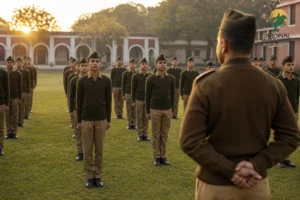

CBSE Military Boarding School Fees: Full Breakdown
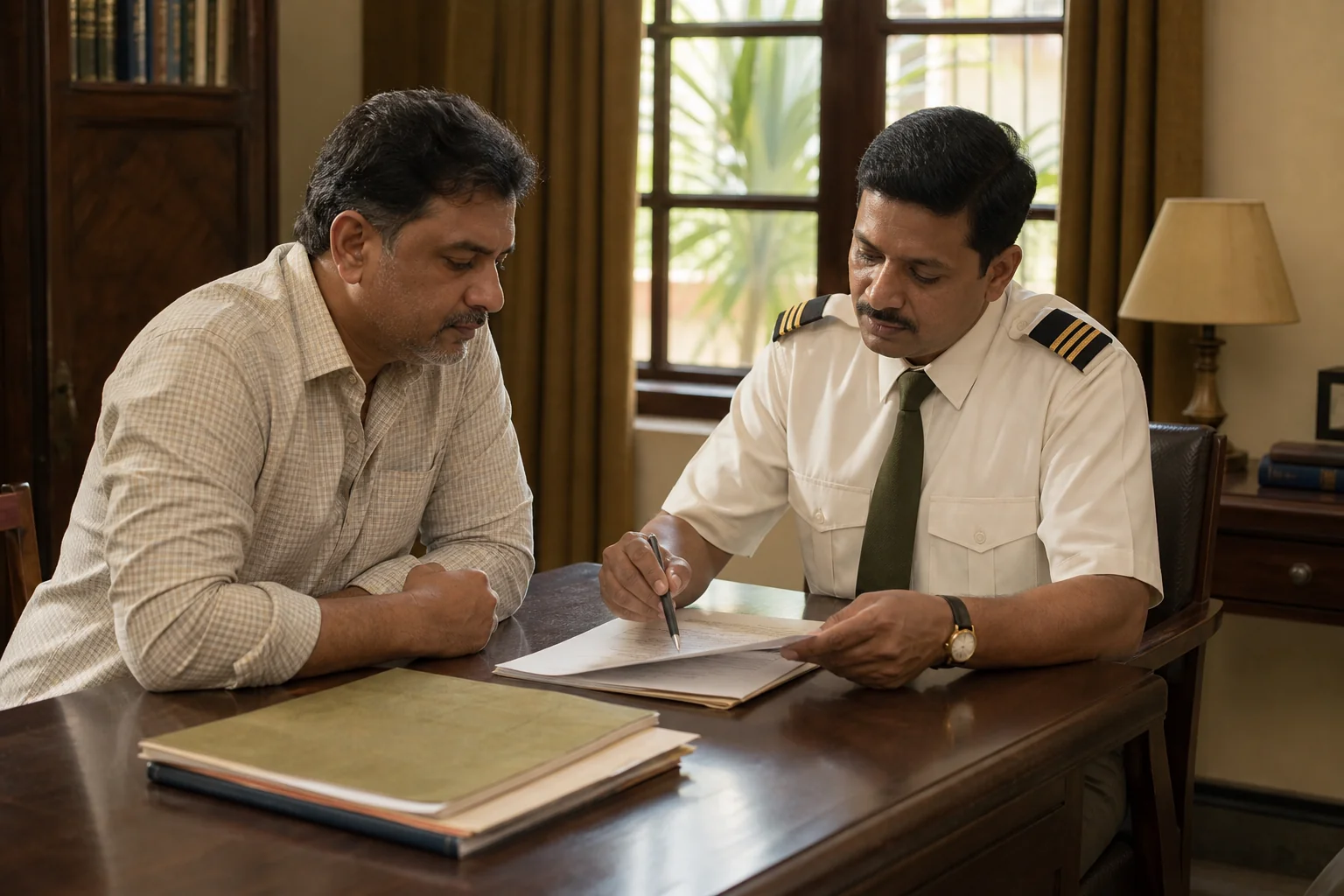
A mother in Rajnandgaon once sat with two admission brochures side by side and circled every number she could find. One brochure listed “tuition” alone. The other listed six separate categories, ending with a line that simply said “training charges apply.” She called the second school and asked a blunt question: “If I add all of this up, what do I actually pay you every year?” It took the admissions office two days to send her a clean answer.
That confusion is exactly why so many parents in Chhattisgarh search for a proper CBSE military school boarding fees breakdown before they sign anything. Military boarding schools bundle academics, hostel life, physical training, uniforms, and sometimes competitive exam coaching into one fee structure, and very few brochures explain what each rupee actually buys. This guide walks through every fee category you’re likely to encounter at a CBSE-integrated military boarding school in India, what pushes those numbers up or down, and how to budget without unpleasant surprises in your child’s second term.
Why Parents Struggle to Compare Military Boarding School Fees
Most schools present fees differently on purpose or by habit. Some quote an “all-inclusive” annual figure that hides hostel and training costs inside a single number. Others quote tuition only, then add hostel, mess, uniform, and coaching charges later in the admission process. For a parent trying to compare a private CBSE military school against a Sainik school or an elite boarding institution, this inconsistency makes true comparison almost impossible.
Add to that the fact that military training, drill instruction, and career coaching for exams like NDA or SSB are rarely itemized clearly. A parent in Bilaspur or Durg might see a headline figure of around one lakh rupees a year, only to discover later that uniform kits, medical insurance, and coaching modules sit outside that number entirely. The goal here is to remove that guesswork with a category-by-category breakdown you can hold up against any school’s quotation.
1. The Core Fee Categories at a CBSE Military Boarding School
Before comparing numbers, it helps to know what categories should appear on any honest fee sheet. A CBSE-integrated military boarding school typically charges across six broad heads:
- Admission and registration fee — a one-time charge paid at the time of enrollment, covering processing, testing, and seat confirmation.
- Tuition fee — covers the CBSE academic curriculum, classroom instruction, textbooks in some cases, and examination administration.
- Hostel and boarding fee, accommodation, mess and meals, laundry, housekeeping, and dormitory maintenance.
- Military training and drill fee, instructor-led physical training, parade drill, discipline modules, and use of training grounds or obstacle courses.
- Uniform and kit costs, combat fatigues, PT kit, ceremonial uniform, boots, and accessories, often required in sets rather than single pieces.
- Career coaching add-ons, specialized preparation for NDA, RIMC, RMS, NEET, JEE, SSB interviews, or CA Foundation, usually charged separately from core tuition.
Not every school separates these six neatly. Some fold training into tuition, others treat uniform as a one-time purchase versus an annual charge. When you evaluate a school, ask specifically which of these six heads are bundled and which are billed on their own. This single question resolves most confusion parents report during admissions season.
2. Sample Annual Fee Breakdown (What Parents Actually Pay)
Every institution sets its own numbers, and you should always request a current, written fee schedule directly from the school rather than relying on this guide for exact figures. That said, based on typical fee structures reported across CBSE-integrated military boarding schools in India, here is an illustrative range parents can use as a planning reference.
| Fee Category | Typical Frequency | Indicative Annual Range (₹) | One-Time or Recurring |
|---|---|---|---|
| Admission/Registration | Once, at entry | 5,000-25,000 | One-time |
| Tuition (CBSE academics) | Annual/termly | 40,000-1,20,000 | Recurring |
| Hostel, Mess & Boarding | Annual/termly | 60,000-1,80,000 | Recurring |
| Military Training & Drill | Annual | 15,000-40,000 | Recurring |
| Uniform & Kit | Annual/first-year heavier | 10,000-30,000 | Mostly one-time, top-ups recurring |
| Career Coaching (NDA/NEET/JEE/SSB/CA) | Annual, optional | 20,000-60,000 | Recurring, if opted |
Adding these together, a family might see a total annual outlay somewhere between roughly ₹1.5 lakh and ₹4.5 lakh, depending heavily on class level, coaching add-ons, and infrastructure quality. Schools closer to metro cities generally sit at the higher end, while institutions in Tier-2 cities like Raipur often deliver comparable training and academics at a more accessible price point. For a deeper look at how these numbers move year to year, our detailed post on military school fees in India tracks typical increments across recent admission cycles.
3. Hidden and Often-Missed Costs to Budget For
Beyond the six core categories, several smaller charges catch parents off guard mid-year. None of these are unusual or unfair on their own, but they rarely appear on the first page of a brochure.
- Transport for outstation students, pickup and drop for holidays or long weekends, especially if your child boards from outside Chhattisgarh.
- Medical cover and health insurance, many boarding schools mandate a basic accident or health insurance premium, billed separately.
- Exam and registration fees, AISSEE application charges, CBSE board exam fees in senior years, and test series fees for coaching programs.
- Camps and expeditions, adventure camps, NCC-style expeditions, or inter-school competitions sometimes carry a per-event charge.
- Security deposit terms, ask explicitly whether this is refundable at the end of the tenure, and under what conditions it’s forfeited.
- Kit replacement, growing children need larger uniforms and replacement boots; budget for at least one top-up purchase per year.
None of these costs should alarm you, but they should be on your spreadsheet before admission day, not discovered on a fee receipt in October. A well-run school will disclose all of this upfront if you ask directly, which is itself a good sign of transparency.
4. What Drives Military Boarding School Costs Up or Down
Fee ranges vary widely across India, and the difference usually comes down to five factors rather than random pricing.
Grade or Class Level
Senior secondary classes, particularly those preparing for NDA, RIMC, RMS, NEET, or JEE, typically cost more than primary years. This reflects specialized faculty, smaller batch sizes for coaching, and additional study material.
Location and Infrastructure
A campus with a firing range, obstacle course, indoor sports hall, and modern hostel block costs more to run than a bare-bones facility, and that cost is passed on through fees. Metro-city campuses also carry higher real estate and staffing costs than schools based in Raipur or similar Tier-2 cities, where land and operations are comparatively more affordable without compromising training quality.
Staff-to-Student Ratio
Schools that maintain small batch sizes for drill instruction, personal counseling, and coaching sessions need more instructors per child. Lower ratios generally mean higher per-student cost, but also more individual attention, something many parents specifically look for. Our guide on what to look for in a disciplined boarding school covers this ratio question in more depth.
Specialized Coaching Bundles
A school offering integrated NDA, SSB interview guidance, RIMC and RMS preparation, plus NEET, JEE, and CA Foundation coaching under one roof will naturally charge more than a school offering CBSE academics alone. The value proposition is that parents avoid paying separately for outside tuition centers, which often cost as much or more when purchased independently.
Public vs Private Fee Structures
Government-run Sainik Schools and Rashtriya Military Schools operate on subsidized fee structures set largely by government policy, which can make them appear cheaper on paper. Private CBSE military schools charge market-rate fees but typically offer more flexible admissions, smaller waitlists, and broader career coaching integration. Both paths have merit depending on what a family prioritizes.
CBSE Military School vs Sainik School vs Elite Boarding School: Value Comparison
Parents frequently ask how a private CBSE military school stacks up against a government Sainik School on one side and an elite civilian boarding school like Doon School or Welham Boys’ on the other. Here’s how the three typically compare on cost and value.
| Factor | Sainik School (Government) | Private CBSE Military School | Elite Civilian Boarding School |
|---|---|---|---|
| Indicative Annual Fee | ₹1 lakh, ₹1.5 lakh (subsidized) | ₹1.5 lakh, ₹4.5 lakh | ₹8 lakh, ₹12 lakh+ |
| Admission Process | Highly competitive, AISSEE-based, limited seats | School-specific entrance test, more flexible seats | Selective, often interview and legacy-based |
| Military/Discipline Focus | Strong, government-standardized | Strong, customized to CODE-style discipline programs | Limited to general discipline, no defence orientation |
| Career Coaching Integration | NDA-focused mainly | NDA, RIMC, RMS, SSB, NEET, JEE, CA Foundation | Typically none for defence services |
| Class Size / Attention | Larger batches | Smaller batches, more personal attention | Small batches, high staff ratio |
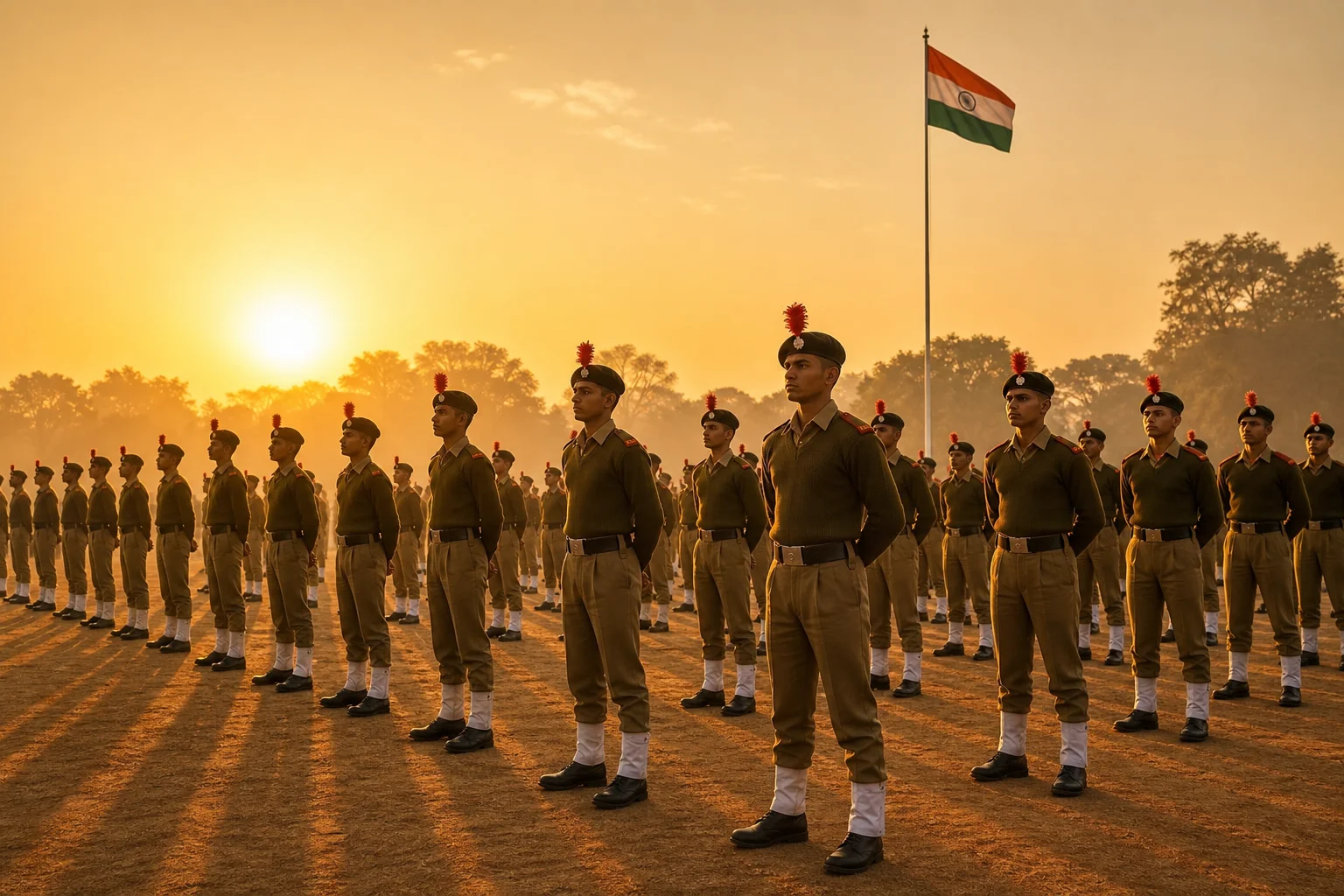
Government Sainik Schools remain an excellent, subsidized option for families who can secure a seat through AISSEE. But seats are limited nationally, and the syllabus focus stays largely defence-oriented. A private CBSE military school offers a middle path: a similar discipline-first environment with broader career coaching, at a fraction of what elite civilian boarding schools charge, but without the seat scarcity of the government system. If you’re weighing this decision directly, our comparison on Sainik school vs military school in Chhattisgarh breaks down admission timelines and eligibility side by side.
5. How to Budget Smartly for a Military Boarding School
Once you understand the fee categories, budgeting becomes a matter of discipline rather than guesswork. Here’s a practical approach:
- Request a full written fee schedule before you pay any registration amount. Ask for every category listed separately, not a single bundled figure.
- Separate one-time costs from recurring ones in your own spreadsheet. Admission fees and initial uniform kits happen once; tuition, hostel, and training fees repeat every year.
- Plan for annual increments. Most schools revise fees by a modest percentage each year to account for inflation and staff costs. Ask the school directly what their increment pattern has looked like over the past three years.
- Factor in coaching costs early if your child is targeting NDA, RIMC, or RMS. These programs often layer additional fees onto the base tuition, and starting the coaching track late can mean catching up at a higher cost.
- Build a buffer of 10-15% above the quoted annual total for medical needs, travel, and camp participation. This buffer prevents mid-year financial stress.
Parents who map out a three-year projection, not just the first year’s fee, tend to make far more confident admission decisions. If you’re still comparing whether a military-style education justifies this investment over a conventional school, our article on military school vs regular school in Chhattisgarh lays out the long-term value case in detail.
6. Fee Structures and Red Flags Parents Should Watch For
Not every fee structure is written with full transparency. Watch for these warning signs during your admission research:
- Vague “all-inclusive” claims with no itemized breakdown available on request. A transparent school will always hand over a category-wise sheet.
- No disclosed refund policy for security deposits or withdrawal mid-term. Get this in writing before you pay.
- Sudden mid-year fee hikes not mentioned at the time of admission. Ask specifically whether fees are locked for the academic year.
- Coaching fees bundled with no opt-out clarity. If your child isn’t targeting NDA or SSB coaching yet, ask whether that portion of the fee can be deferred or excluded.
A school that hesitates to give you a written, itemized fee sheet before admission is telling you something important about how it will communicate later, when your child is already enrolled.
7. Questions to Ask During Admissions
Walk into any admission conversation with these questions ready:
- Can I get an itemized fee sheet covering all six major categories?
- What has the annual fee increment looked like over the past three years?
- What exactly is included in the training and coaching fee, and what costs extra?
- Is the security deposit refundable, and under what conditions?
- Are there additional charges for camps, expeditions, or competitive exam registrations?
- What is the uniform replacement policy as my child grows through the year?
A school confident in its value will answer every one of these clearly and without hesitation. This same diligence applies whether you’re evaluating campus safety or academic rigor, both of which our guide on how to choose the right military school for your child covers in more detail.
Frequently Asked Questions
What is the average CBSE military school fee in India per year?
Based on typical fee structures, families can expect an annual outlay somewhere between ₹1.5 lakh and ₹4.5 lakh, depending on class level, infrastructure, and whether career coaching programs like NDA or SSB preparation are included. Always request current figures directly from the school, since exact numbers vary by institution and revise annually.
Are private military school fees higher than regular CBSE boarding schools?
Not necessarily. Regular CBSE boarding schools without military training or specialized coaching can cost similarly or even more, especially at premium civilian institutions. The added value at a military boarding school comes from discipline training, physical fitness modules, and integrated career coaching bundled into the same fee.
Do military boarding schools charge extra for NDA or SSB coaching?
Most schools treat NDA, RIMC, RMS, and SSB interview coaching as a separate, optional add-on rather than folding it into base tuition. Always confirm this clearly during admissions, since some schools include a basic version in tuition while charging extra for advanced batches.
Is the security deposit refundable?
This depends entirely on the school’s individual policy. Some refund the full deposit at withdrawal, minus any pending dues; others apply conditions. Get this in writing before you pay, not after.
How much should I budget for uniform and kit costs?
First-year uniform and kit costs, including combat fatigues, PT kit, and boots, typically run higher than subsequent years since your child needs a complete starter set. Budget for at least one mid-year top-up as growing children outgrow initial sizes.
Making the Investment Count
A fee breakdown only tells half the story. The real question is whether that investment translates into a child who stands taller, focuses better, and carries discipline into every part of life, not just the parade ground. At Cardinal Warriors in Raipur, the CODE Principle, Josh With Hosh, was built on exactly that idea: military discipline paired with CBSE academic rigor and career-focused coaching, under the guidance of founder Major Pravin Singh (Retd.), an Army veteran who has seen firsthand what structured mentorship can do for a young mind.
If you’re comparing fee sheets across schools in Chhattisgarh and beyond, don’t settle for a single bundled number. Ask for the breakdown, ask about increments, and ask what happens at six in the morning when the fee sheet stops mattering and the training begins. Read more about our approach to holistic, discipline-first education and see how our fee structure compares when every category is laid out clearly. You can also explore more with us to understand our admissions process, or contact us directly to request a full, itemized fee sheet before you make your decision. Follow our journey and see campus life firsthand on Facebook, Instagram, and Twitter/X.

You may also like

SSB Interview Coaching: What Parents Should Know